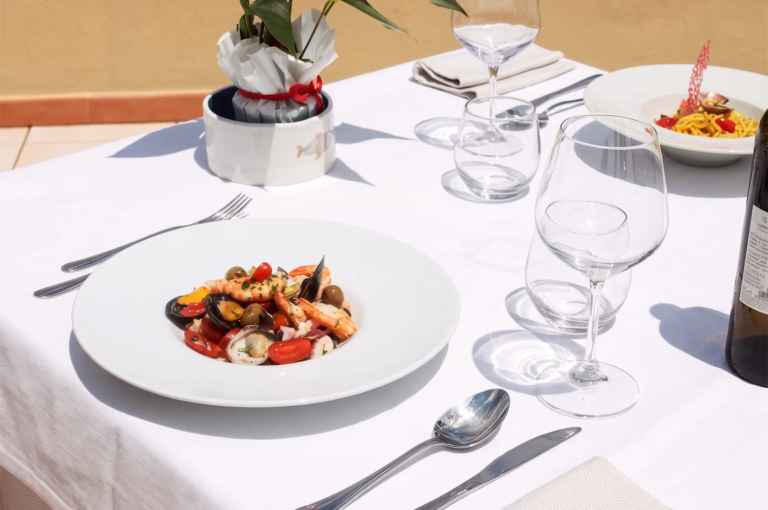
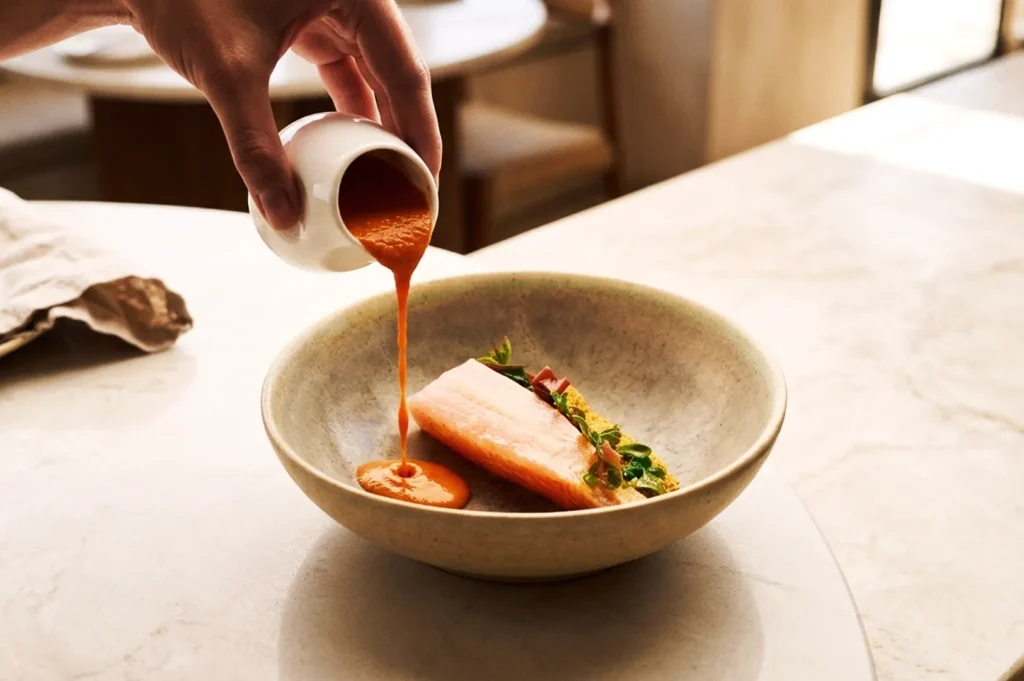
A beautifully arranged plate arrives at your table.
At its centre sits a small piece of fish, surrounded by a delicate sauce and perhaps three carefully positioned vegetables.
It looks like art.
But somewhere in the back of your mind, a question appears.
Is that really all I'm getting?
Small portions have become one of fine dining's most recognisable characteristics — and one of its most frequently criticised.
For diners accustomed to generous restaurant servings, the contrast can be startling.
Yet there is more behind those miniature plates than an attempt to make expensive food look artistic.
The Portion Is Only One Part of the Story
The first thing to understand is that many fine dining restaurants are not designing individual dishes to function as complete meals.
Instead, they build an experience around several courses.
A tasting menu might begin with small snacks, progress through seafood and vegetables, move towards a substantial main course, and finish with desserts or petits fours.
Each serving has a specific purpose.
A rich dish might be deliberately small because a larger portion would overwhelm the palate. A delicate seafood course may be designed to introduce a flavour rather than satisfy hunger on its own.
The idea is to create progression.
Instead of eating one large dish until you are full, you encounter a sequence of flavours, textures, and techniques.
There Is a Reason Rich Food Comes in Small Servings
Imagine being served an enormous bowl of buttery lobster bisque followed immediately by a large portion of heavily marbled beef.
Both might taste wonderful individually.
Together, however, they could become exhausting.
Rich ingredients have a way of dominating the palate, particularly when served in generous quantities.
Smaller portions allow chefs to introduce intensity without overwhelming diners.
A few bites of something exceptionally rich can often be more enjoyable than an entire plate.
This is especially important when a menu includes numerous courses.
The kitchen must consider not only how each dish tastes but also how it affects everything that follows.
Fine Dining Is Designed Around Curiosity
There is another reason tasting menus often feature small servings: variety.
A conventional restaurant meal may give you one starter, one main, and perhaps dessert.
A tasting menu offers the opportunity to experience several different preparations during a single evening.
You might encounter a familiar vegetable prepared in an unexpected way, an unfamiliar seafood ingredient, or a dessert combining flavours you would never have ordered separately.
Smaller portions make that exploration possible.
They also allow chefs to express ideas that might become repetitive if presented as full-sized dishes.
Not every culinary idea needs twenty bites to make an impression.
Sometimes three are enough.
Does That Mean You'll Leave Hungry?
Not necessarily.
Although individual servings can look surprisingly small, the combined quantity of food across a complete tasting menu may be substantial.
Bread, snacks, main courses, desserts, and additional small bites can add up.
However, experiences vary between restaurants.
A short tasting menu featuring four or five courses may feel different from an extended dinner with numerous additional servings.
If portion size matters to you, reviewing the menu format before booking is sensible.
The best fine dining restaurants in Singapore offer different approaches to cuisine, atmosphere, and dining experiences, making it worthwhile to find one that suits your preferences.
Small Portions Don't Excuse Disappointing Food
There is an important distinction between thoughtful portioning and unnecessary minimalism.
A small plate should still deliver something meaningful.
Perhaps the flavour is unusually concentrated. Perhaps the texture is remarkable. Or perhaps the dish introduces an ingredient in a completely unexpected way.
But if a restaurant offers tiny servings without exceptional cooking, the concept quickly loses its appeal.
Presentation alone cannot make an ordinary dish extraordinary.
The Point Isn't to Eat Less
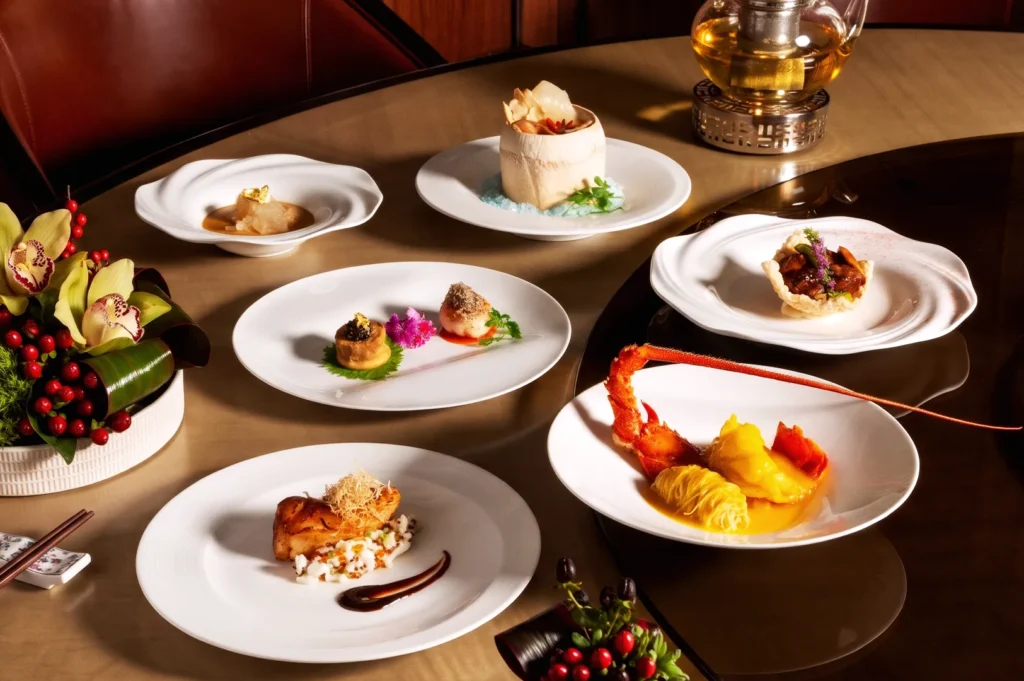
The next time a remarkably small course appears in front of you, consider its place in the wider meal.
What came before it? What might follow? Why has the chef chosen this particular serving size?
Fine dining, at its best, encourages diners to notice details they might otherwise overlook.
The size of the plate is only one of them.
Because sometimes the most memorable bite of an evening is not the biggest.
It is the one that makes you stop talking for a moment.