Three hours for dinner.
For some people, that sounds like a wonderful evening. For others, it sounds like an unreasonable amount of time to spend sitting in a restaurant.
Yet in the world of fine dining, a meal lasting two or three hours is hardly unusual.
You arrive, settle into your seat, and order. Then something interesting happens.
Instead of receiving your food as quickly as possible, you are invited to slow down.
Courses appear gradually. Plates disappear quietly. There are pauses between dishes, sometimes long enough to make you wonder whether the kitchen has forgotten about you.
But what if those pauses are part of the experience?
The Best Restaurants Aren't Trying to Feed You Quickly
Most casual restaurants operate around efficiency.
Orders are taken, food is prepared, and tables are eventually cleared for the next group of customers.
Fine dining often follows a different philosophy.
Rather than treating dinner as a transaction, many fine dining restaurants structure the evening as a complete experience.
The meal has a beginning, a middle, and an end.
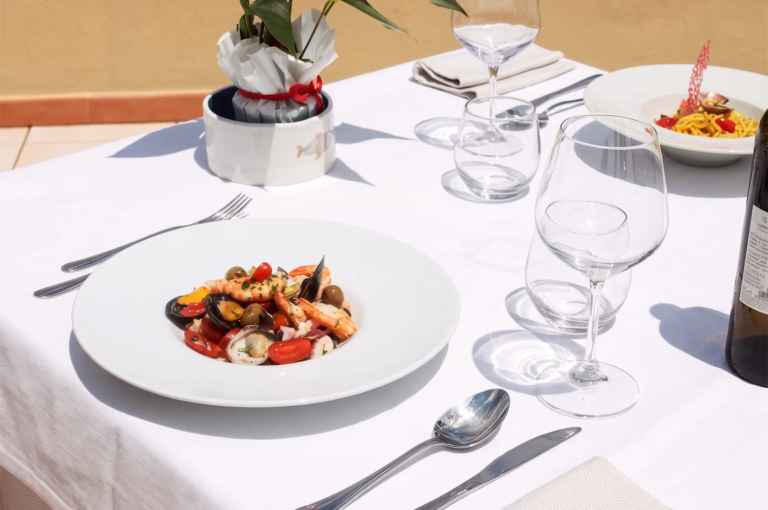
Early courses introduce the kitchen's style. More substantial dishes gradually build intensity, and desserts provide a final impression.
The pacing helps connect those moments.
Without it, even an exceptional tasting menu could feel like a rapid succession of expensive plates.
There's Psychology Behind the Waiting
Consider how differently you experience food when you're distracted.
A rushed lunch might disappear between emails and phone notifications. You remember eating, but perhaps not much about the flavours.
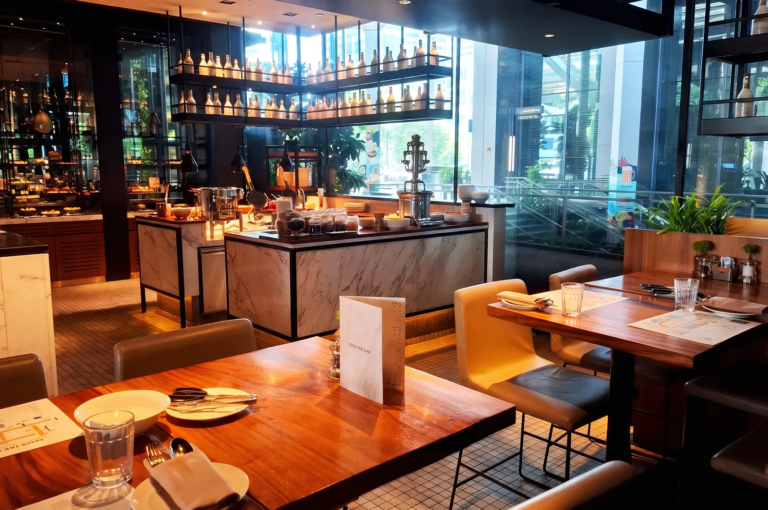
Now imagine sitting in a quiet restaurant, waiting for your next course.
With nothing immediately demanding your attention, you begin noticing things.
The music. The lighting. The texture of the tablecloth. The conversation happening across from you.
When the next dish arrives, it becomes the focus of the moment.
This is one reason pacing can influence how memorable a meal feels.
Anticipation creates an opportunity to appreciate what comes next.
Of course, there's a fine line between anticipation and frustration.
A thoughtful pause can feel luxurious. An unexplained forty-minute delay can feel like poor service.
The difference lies in how well the restaurant manages the experience.
Why Every Course Needs Breathing Room
Imagine eating seven dishes without a meaningful break.
Even if every plate were delicious, the experience might quickly become overwhelming.
Flavours would begin overlapping. Rich sauces and heavy ingredients could make later courses less enjoyable.
Thoughtful pacing gives diners time to finish each dish, enjoy conversation, and prepare for the next.
It also allows the kitchen to complete detailed preparations at the appropriate moment.
Some dishes require last-minute cooking, plating, or finishing touches.
The challenge is coordinating those elements without making guests feel they are waiting unnecessarily.
When done well, the rhythm seems effortless.
A Long Dinner Shouldn't Feel Like a Long Wait
The most impressive restaurants don't simply stretch a meal across several hours.
They make those hours worthwhile.
Good service recognises when guests want conversation and when they're ready for the next course.
It adjusts to the natural rhythm of the table without making the experience feel rushed or unnecessarily prolonged.
This distinction is worth remembering when choosing among the best fine dining restaurants in Singapore.
A beautiful dining room and elaborate menu might attract attention, but the atmosphere and quality of service often determine whether the evening feels genuinely special.
After all, nobody wants to spend three hours at dinner simply because the restaurant is slow.
They want to spend three hours there because they don't feel the need to leave.
Is a Three-Hour Dinner Really Necessary?
Not always.
Some occasions call for a relaxed evening with multiple courses, thoughtful wine pairings, and uninterrupted conversation.
Others are better suited to a shorter meal.
The important thing is understanding the experience before booking.
If you're planning a tasting menu, ask about its approximate duration. A long dinner can be delightful when you've planned for it, but less enjoyable when you're watching the clock.
And remember that a lengthy meal isn't automatically better.
Exceptional hospitality is about making guests comfortable, not forcing them to follow an unnecessarily elaborate schedule.
Maybe Time Is the Real Luxury
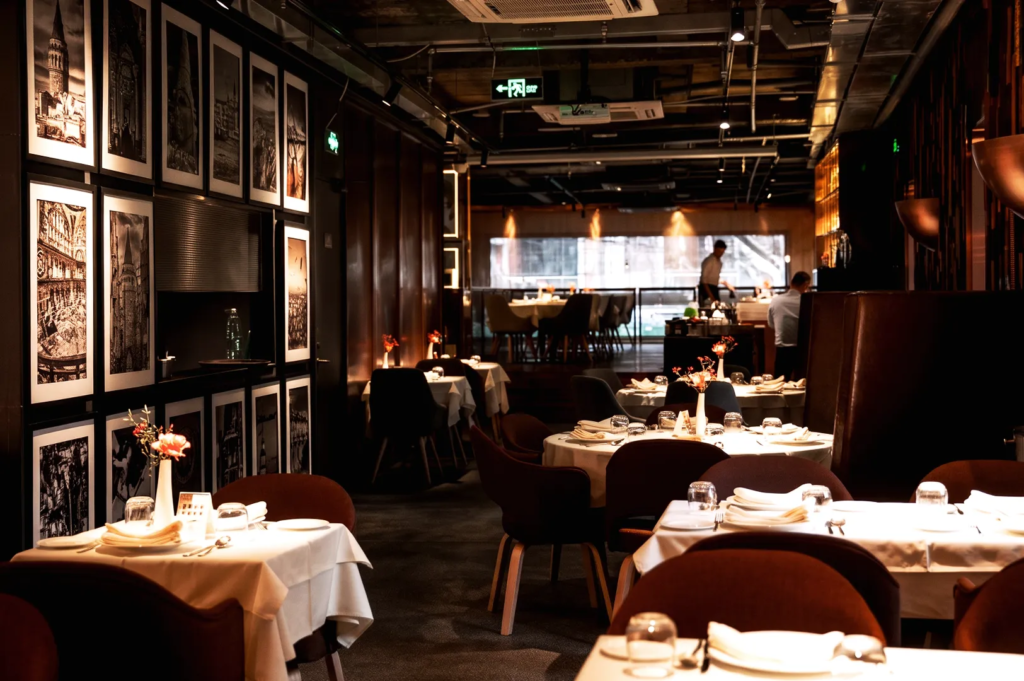
We often associate fine dining with expensive ingredients, beautiful interiors, and extraordinary culinary techniques.
But perhaps one of its greatest luxuries is something less tangible.
Time.
Time to appreciate the food. Time to enjoy a conversation without interruption. Time to experience an evening without constantly thinking about what comes next.
In a city where schedules are often packed and meals can become another task to complete, that opportunity feels increasingly valuable.
A three-hour dinner isn't necessarily about eating for three hours.
Sometimes, it's about remembering how enjoyable three hours can be when there's nowhere else you need to be.