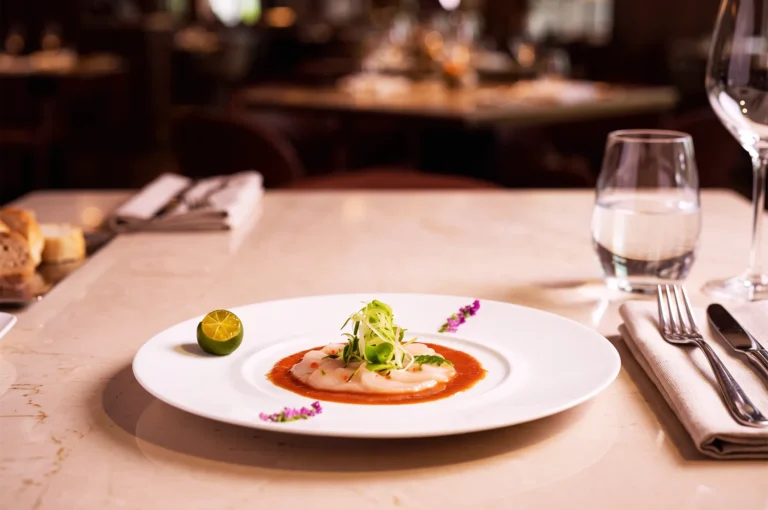
Here’s what I wish someone had told me that night: sake is a Japanese alcoholic drink brewed from sake rice, water, yeast, and koji, usually around 15% ABV, and it makes more sense once you stop thinking of it as Japanese wine.
Once that idea clicked, the whole menu got simpler. You don’t need to know everything about sake to enjoy it. You only need to know what you like. And if you enjoy building whole evenings around this kind of thoughtful pairing, you can also view our dining recommendations for the city’s most memorable fine dining Singapore experiences.
What Is Sake, Really? Understanding Japanese Rice Wine
People call it “rice wine,” but that’s not quite right. Wine is made by fermenting sugar that already exists in grapes. Rice has no free sugar to work with, so the brewing process has to create it first. This is where koji comes in, a mold grown on steamed rice that converts starch into fermentable sugar. Yeast then turns that sugar into alcohol, all at the same time.
That simultaneous conversion is called multiple parallel fermentation process, and honestly, you never need to remember the name. Just hold onto this: rice + koji + water + yeast = sake. The method is closer to brewing beer than making wine, which is exactly why calling it “Japanese wine” trips people up.
As Japan’s national beverage, japanese sake carries centuries of craft, but the basics are genuinely simple.
How Strong Is Sake? Understanding Sake Alcohol Content
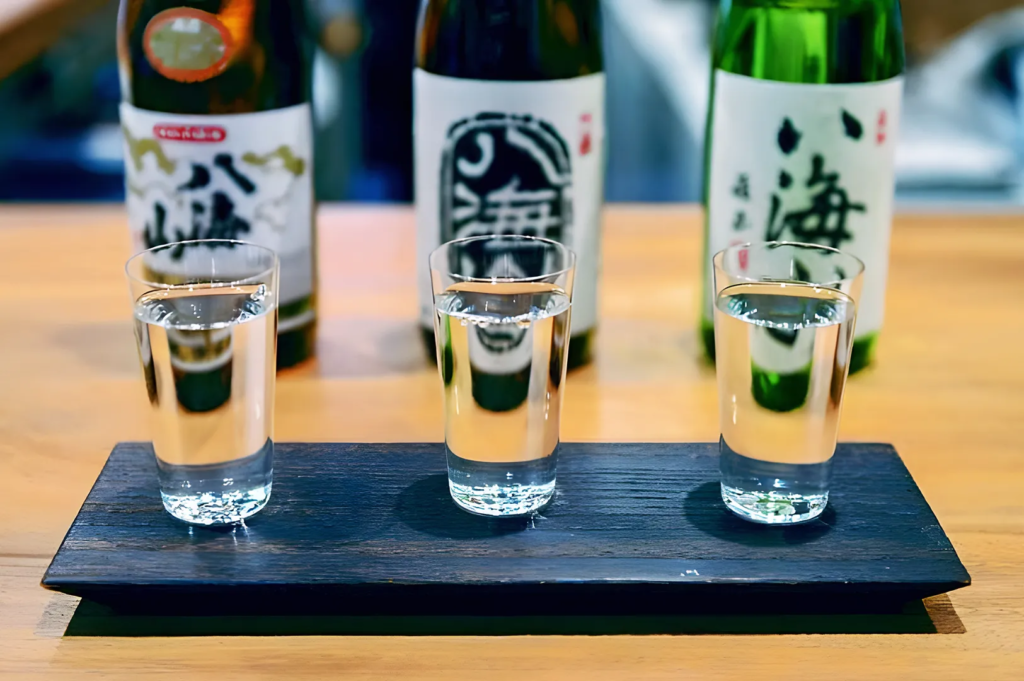
This is the question I get asked most, usually right after someone’s had one cup too many. Let’s talk numbers.
Most sake alcohol percentage sits around 15% ABV. Here’s how that stacks up against what you probably already drink:
- Beer: roughly 4–6%
- Wine: roughly 11–14%
- Sake: roughly 15%
So the sake alcohol content lands closer to wine than beer, sometimes a touch higher. Among alcoholic beverages, it’s stronger than beer but still lighter than distilled spirits like vodka or whiskey. In Singapore shops, you’ll see a real spread too, and the content of sake can vary from low-alcohol styles around 10–13% ABV to about 13% for a Hakushika Taru Junmai and 16% or more for certain daiginjo bottles.
Pro tip: Watch out for unfiltered sake labeled genshu. This is undiluted sake, meaning water isn’t added after sake making to bring the strength down. It often pushes into the high teens. It tastes so smooth that the alcohol sneaks up on you.
Here’s my honest mistake to learn from. My first proper sake night, the pours went down like silk, and I completely misjudged how much I’d had. Sake’s soft texture hides its strength. Pace yourself, and don’t judge the strength by the taste.
Is Sake Sweet or Dry?
Short answer: it can be either, and neither word means what you might fear.
You’ll hear two terms:
The thing I want you to take away: “dry” doesn’t mean harsh, and “sweet” doesn’t mean dessert. Even a sweeter sake is usually gentle and balanced, carrying umami and low acidity rather than a sugar rush; sweetness and overall flavor can vary by style, with some bottles showing more fruit while others feel more rice-driven and rich.
The Premium Sake Styles You’ll See on a Menu
This is where most menus lose beginners. Let me make it painless. These labels mostly come down to rice polishing, and the polishing process removes the outer layers of the rice grains to leave more of the starch-rich center in polished rice, which helps create a cleaner final product before sake brewed from it. There are other types beyond the core menu labels, so you may also see traditional sake styles and modern variants. Pasteurized sake is the standard on most menus, while namazake is the fresh, unpasteurized version.
Junmai
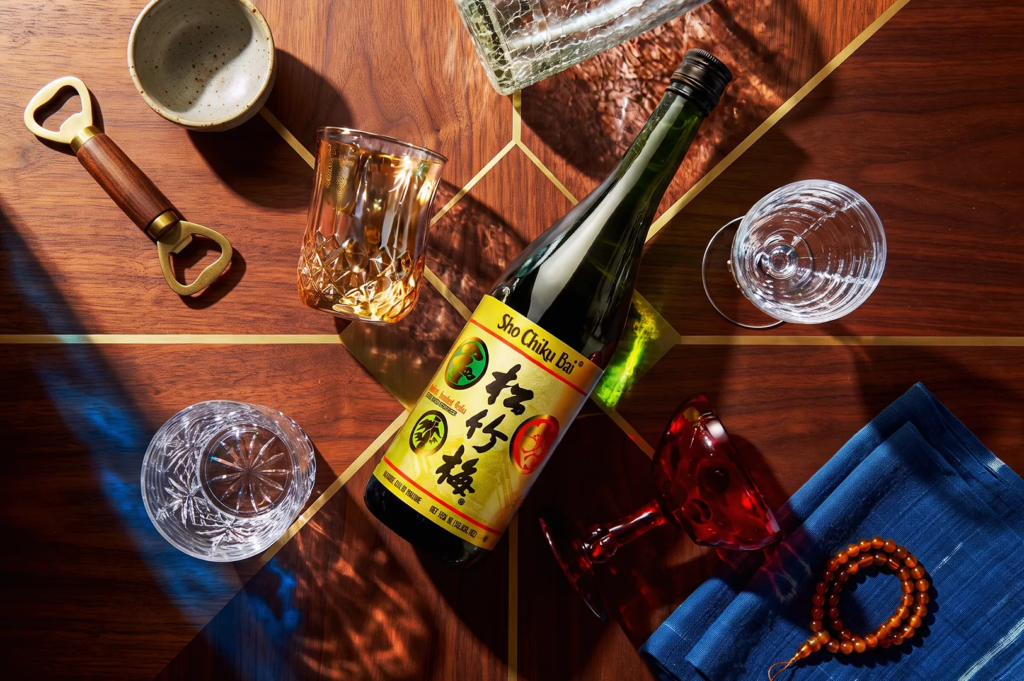
Made purely from rice, koji, and water, with no added distilled alcohol unlike styles that use brewer’s alcohol. It’s often fuller, rounder, and more rice-forward, with a savory character. This is my go-to when I want something with backbone.
Ginjo
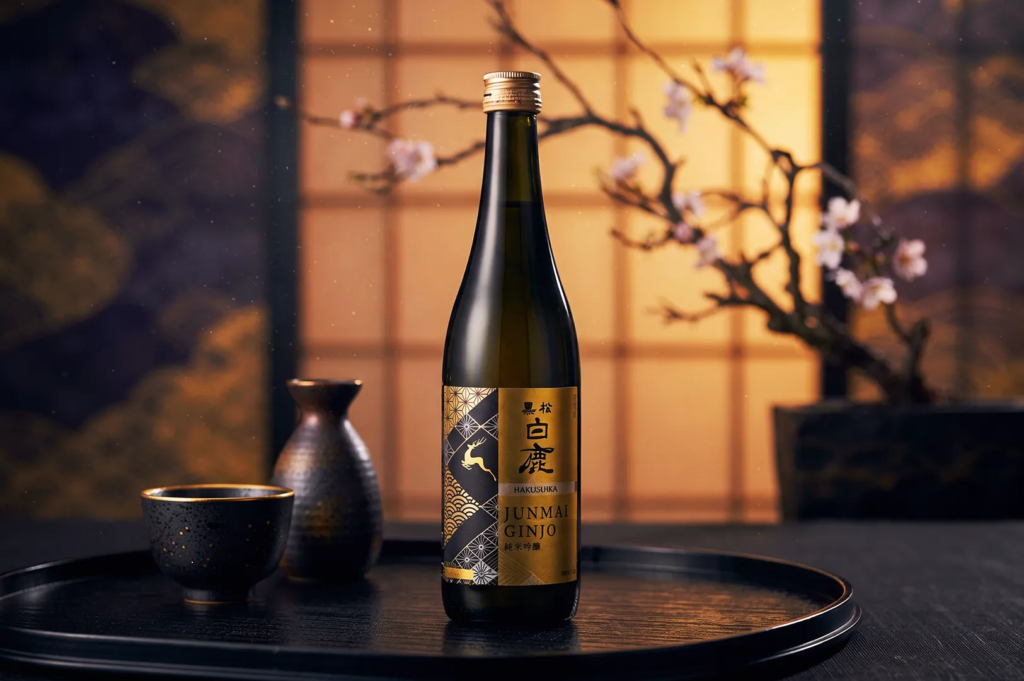
Here the rice is polished to 60% or less. Fermented at low temperatures and often with a special strain of yeast, that extra milling helps Ginjo develop a more aromatic profile with delicate fruit notes. Ginjo is a lovely middle ground for newcomers.
Daiginjo
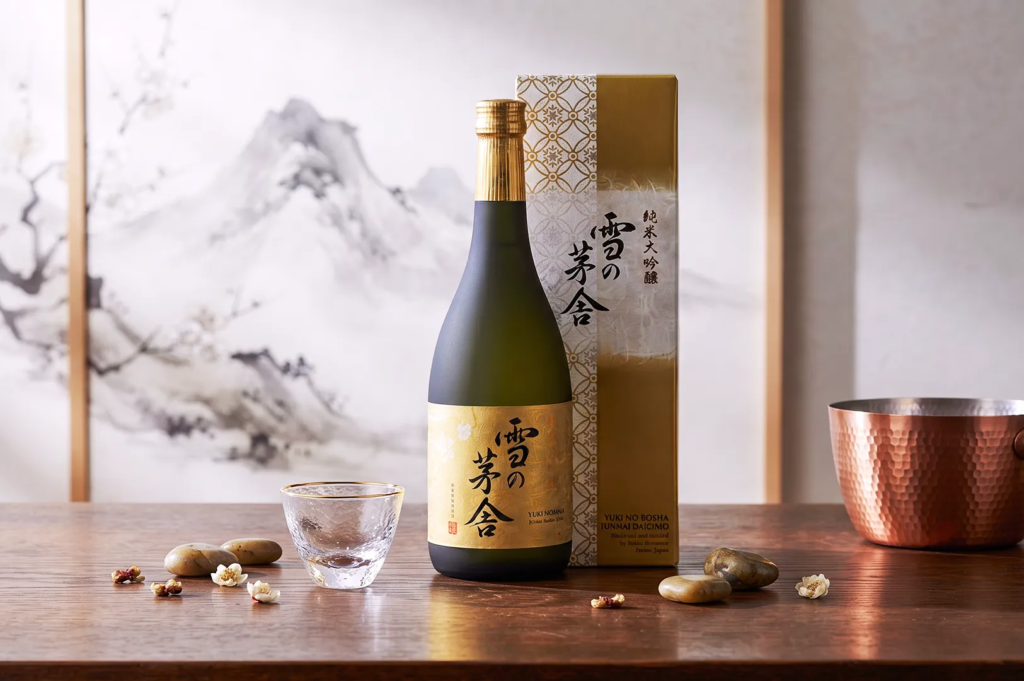
The rice is polished even further, to 50% or less. These are often the most delicate, aromatic, and refined. They can also carry more complex flavors, which is why they’re frequently sold as premium sake.
Nigori
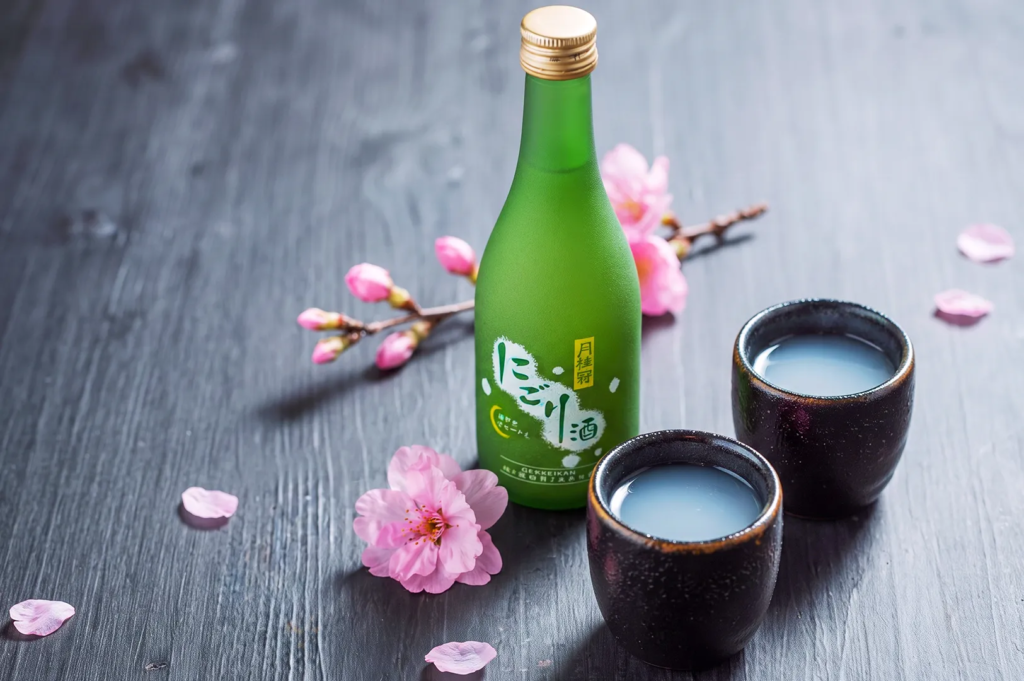
Cloudy and lightly filtered, so some rice solids stay in the bottle. It’s creamy, sometimes a little sweet, and genuinely fun to try.
Insider knowledge: More polishing does not automatically mean better sake. Higher milling costs more because more rice is removed, but a 60%-polished junmai can absolutely outshine a fancier bottle for your palate. Don’t assume “daiginjo equals best.” Trust your own sake tasting, not the price tag.
Should Sake Be Served Hot or Cold?
Another great first-timer question, and the answer surprises people: not every sake should be warmed. Standard sake service is not fixed to one temperature, because different styles are meant to be enjoyed chilled, at room temperature, or warm.
Temperature control genuinely changes the experience:
- Served chilled: highlights aroma, freshness, and delicacy. Great for fragrant ginjo and daiginjo.
- Room temperature: reveals texture and balance.
- Warm: brings out richness, umami, and a rounder feel, which suits many junmai.
Proper glassware can also improve aroma and texture, even for a standard serving.
How to Order Sake in Singapore With Confidence
Here’s the single most useful skill in this whole article, and it has nothing to do with pronunciation.
Just describe what you like. You don’t need to say “daiginjo” perfectly. Try one of these:
Different styles bring out complementary flavors, and umami-rich bottles are especially good with savory dishes. At a serious counter like Shoukouwa, the two-Michelin-star sushi restaurant at One Fullerton, the sake is chosen to complement fatty tuna, shellfish, delicate white fish, sushi, sashimi, and even tempura. Its lower acidity helps it work with vinegar-laden foods, and its amino acids boost umami in pairings.
It can also work beautifully with cheese, oysters, and rich dishes like stews or ramen. If you’re planning a special night out, it’s worth reading more here before you go.
How Much Does Sake Cost in Singapore?
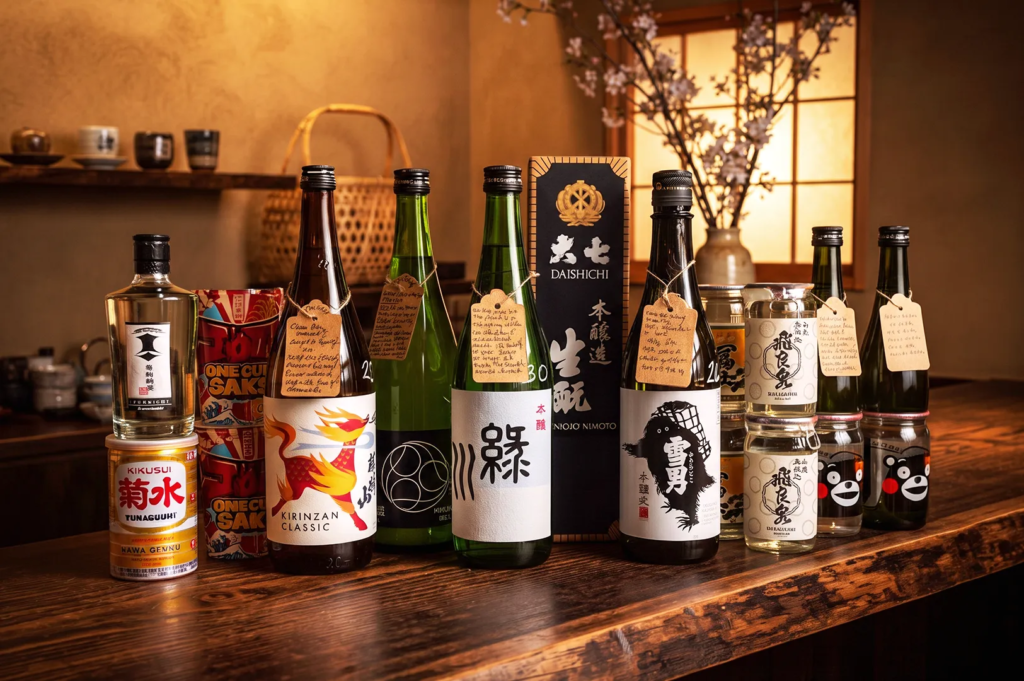
The range is huge, which is actually good news. You can start cheap and climb slowly.
Here are real Singapore retail examples to anchor your expectations:
- Hakushika Taru Junmai, 300ml — S$12.95
- Hanagaki Junmai Nigori, 300ml — S$18
- Shirataki Junmai Ginjo, 300ml — S$20
- Dassai Junmai Daiginjo 45, 720ml — S$42.98
- Kubota Manju Junmai Daiginjo, 720ml — S$97.80
Prices swing based on the brewery, the rice polishing, age, rarity, and the venue. Premium and aged bottles can climb into the hundreds.
My honest take: for your first bottle at home, skip the S$100 splurge. A S$12.95 junmai and a S$20 ginjo, tasted side by side, will teach you far more than one expensive bottle ever could.
Your First Sake: A Simple Decision Framework
If you remember nothing else, remember this cheat sheet. Match sake to what you already enjoy:
- You like crisp white wine? Try a fragrant ginjo or daiginjo.
- You like fuller, savory drinks? Go for a junmai.
- You like creamy textures? Drink sake that leans nigori style.
- You don’t love alcohol-forward drinks? Ask for something aromatic and gentle.
I’d also suggest a little experiment for your second pour. Order something deliberately different from your first. An aromatic ginjo followed by a rounder junmai will teach your palate more in two glasses than a whole night of similar bottles.
Frequently Asked Questions
What is sake alcohol, exactly?Sake, often labeled Japanese rice wine, is a brewed Japanese drink made from rice, water, koji, and yeast, not distilled like a spirit. Typical alcohol content is around 15% ABV.
Is sake gluten free?Sake is made from rice rather than wheat or barley, which is why many people reach for it as a rice-based alternative. If you have serious dietary concerns, always confirm with the producer or restaurant.
Are sake cocktails common now?Yes. sake cocktails have become more common in recent years for people exploring modern ways to enjoy sake.
One Last Pour
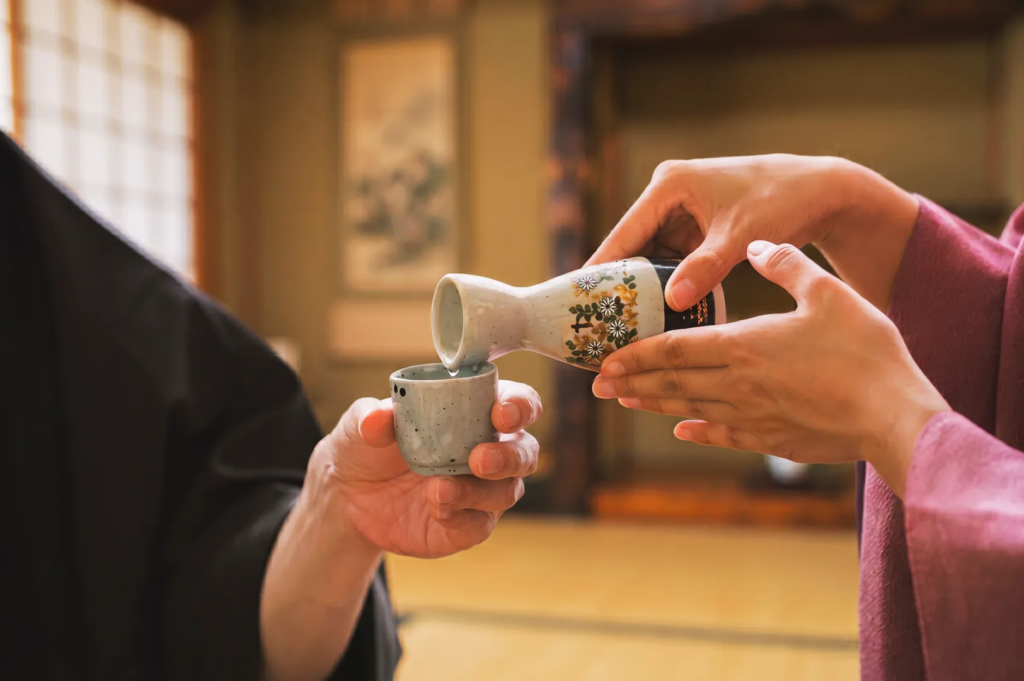
In Japan, sake sits deeply within japanese culture, and making sake has roots that stretch from a method arriving from China around 500 BCE to true sake emerging in the Nara period, with the earliest reference to alcohol there dating to the 3rd century.
Koji is Aspergillus oryzae, and modern production methods still build on traditional techniques used by brewers and sake brewers to brew sake, usually over 60 to 90 days with a three-step fermentation build called sandan shikomi; sake rice is milled differently than table rice and contains less protein. It was once a government monopoly until the 10th century, Sudo Honke dates to 1141, and the craft is now appreciated around the world, with sake brewing recognized by UNESCO in 2024.