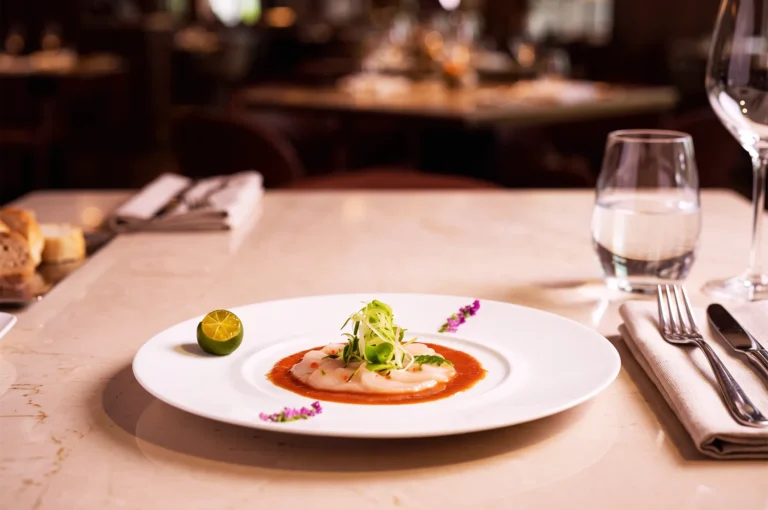
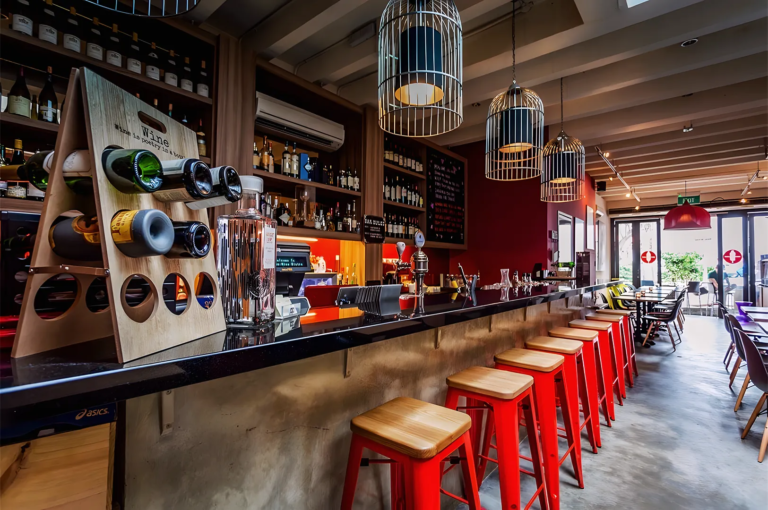
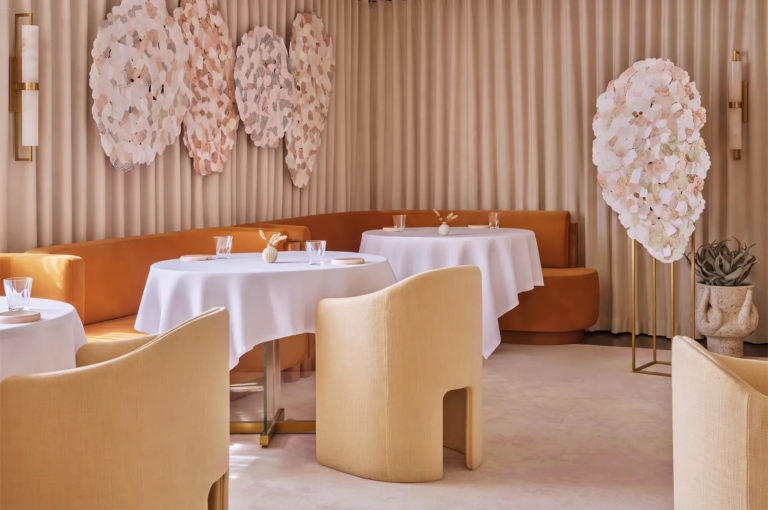
Fine dining etiquette is simpler than it looks: use your cutlery from the outside in, follow the room’s pace, ask questions when unsure, and let the staff guide you. Confidence and quiet attention matter more than perfect form, which is exactly what most first-time fine dining guests, especially Gen Z heading into a luxury restaurant for the first time, need to know.
The first time I sat down at a proper tasting menu, I put my napkin on my lap and immediately knocked a fork onto the floor. It made a sound. A real one. I froze, certain the whole room had turned to watch. A waiter appeared within seconds, placed a fresh fork beside me, and said nothing at all. No look. No pause. He simply moved on, and so did I.
Do You Really Need Fine Dining Etiquette?
Yes, but not in the way you think. Dining etiquette exists to make a meal flow smoothly for everyone at the table, and proper dining etiquette is simply the shared language that helps that happen, not a set of hoops.
Here is the thing most people miss. Etiquette is really just consideration made visible, with good manners helping create an enjoyable dining experience for everyone at the table. You lower your voice because others are eating too. You wait a beat before starting so the table begins together. You thank the person who fills your glass. That is all it is.
A small detail worth noticing: the most composed diner at any table is rarely the one who knows every rule. It is the one who is relaxed, present, and kind to the staff.
The Fork and Knife Situation: Stop Overthinking It
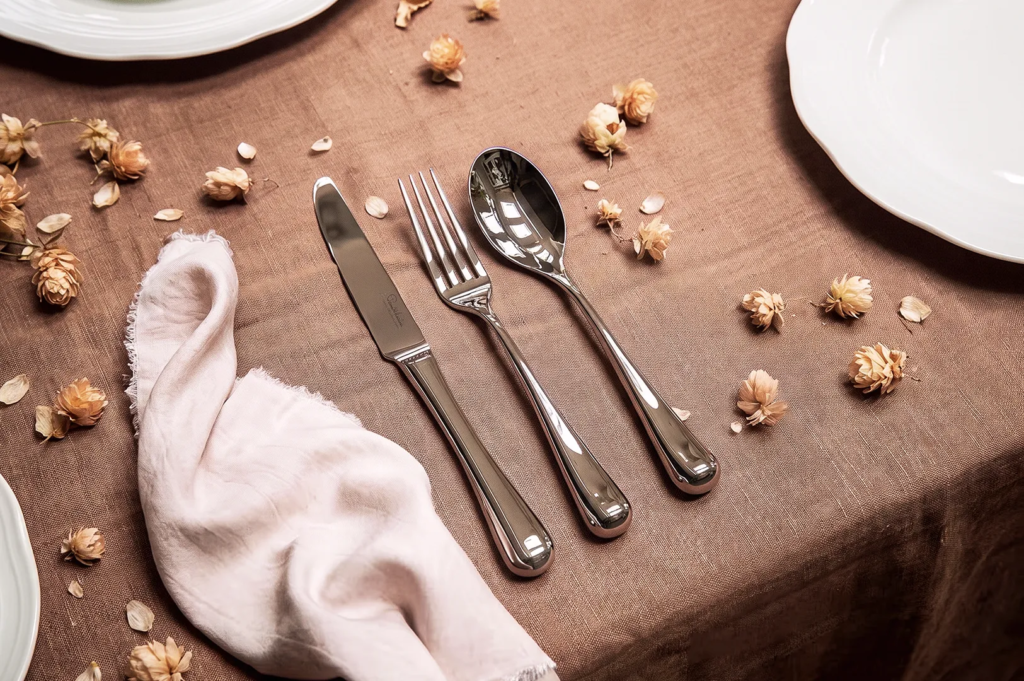
The cutlery lineup is what scares most people, and it is honestly the easiest part to master. Once you understand the table setting on the dining table, there is really one rule, and it carries you through almost any place setting.
Work from the outside in. Each course, reach for the utensil furthest from your plate. Salad fork on the far left, dinner fork just inside it, and a soup spoon may sit on the outer right when soup is served. In a formal setting, the water goblet usually sits above the knives at the upper right. As plates come and go, the staff often adjust your setting anyway, so you are rarely left guessing for long. Specialty pieces such as an oyster fork may also appear for shellfish and are used only for that course. For better control, guide the utensil lightly with your index finger.
A few small things that help:
- When you pause mid-meal, rest your knife and fork on the plate in an inverted V, or crossed. This signals you are not finished.
- When you are done, place them together, pointing to roughly four o’clock on the plate. Staff read this instantly and clear you without asking.
- Dropped something? Do not dive for it. Leave it on the floor and ask the staff for a replacement.
- If bread is served, break it into bite-sized pieces instead of biting directly into the roll.
That is genuinely most of it. If you ever blank completely, glance at what the host or a nearby diner reaches for. Following the table’s lead is not cheating. It is how the whole system is meant to work. Taste the food before adding salt or pepper.
If you want to go deeper on the finer points of table settings, you can read more here, and for a broader look at modern dining manners, see https://unrushedtables.com/odette-singapore-review-is-it-worth-the-experience/.
How to Read a Fine Dining Menu
A fine dining restaurant can feel like a foreign language, full of terms you half recognize and prices with no dollar sign. Take your time. Nobody is rushing you. Many fine dining restaurants will not seat walk-ins without a reservation.
Start by working out the format. Some restaurants offer à la carte, where you build your own meal course by course. Others serve a set tasting menu, a fixed sequence of small dishes the kitchen has arranged for you. Tasting menus remove almost all the decision-making, which makes them a gentle place to start at fine dining establishments.
If a dish name means nothing to you, ask. “Could you tell me a little about this one?” is a completely normal question, and the staff will answer it happily. They would far rather explain than watch you order something you will not enjoy. If you want guidance, it is also perfectly fine to ask for help with the wine list.
Watch for a few practical things:
- Reservations matter. For weekend dinners or special occasions, book ahead, arrive five to ten minutes early, and notify the restaurant if you will be late; the same punctuality and preparation matter during business meals.
- If plans change, the polite thing is to update, change, or cancel your booking as early as possible.
- Ask about portion size if you are unsure. Tasting portions are small; à la carte plates vary.
- Flag allergies or dietary needs early, ideally when you book. Good kitchens plan around them without fuss.
- Prices are sometimes listed without symbols. This is not a trap. It is just a house style.
The menu is a starting point for a conversation, not an exam. Lean on the people who know it best.
Phone Etiquette: Can You Take Photos?
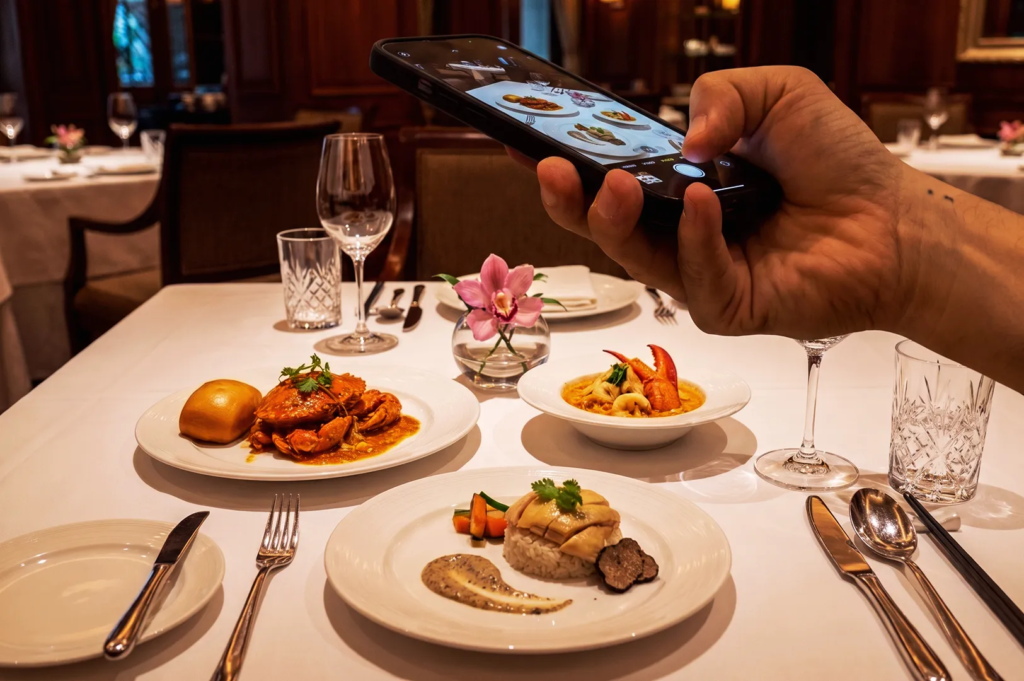
Short answer: usually yes, within reason. Most restaurants understand that a beautifully plated dish deserves a photo, and few will stop you from a quick, quiet shot.
The line is disruption. A discreet photo with your flash off is fine almost everywhere. Standing up, rearranging plates, or lighting the table like a studio is where you lose the room. The food is worth remembering, but the evening is happening now, not on your camera roll.
For mobile phones at the table, keep it simple:
- Turn the sound off. A buzzing phone cuts through a quiet room instantly.
- Keep it off the table if you can, or face down and out of the way.
- Skip the call. If you must take one, step away from the dining room.
A handful of high-end restaurants do ask for no photography at all, usually to protect the atmosphere. If you see a small note about it, or a staff member mentions it, just follow their lead. The meal loses nothing for it.
How to Talk to Fine Dining Staff
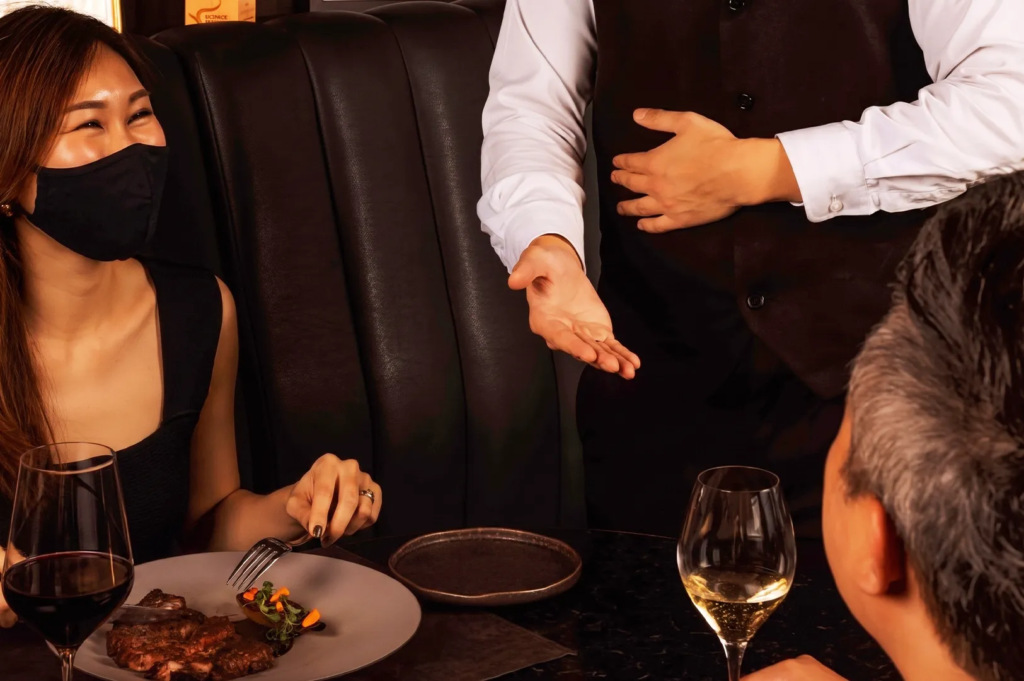
This is where confidence really shows, and it has nothing to do with sounding fancy. The way you treat the staff says more about you than any fork ever could, and it is a basic part of proper etiquette and good table manners.
Talk to them like people, because they are. A warm “thank you” when a plate arrives, eye contact when they explain a dish, a genuine question about a wine you are curious about. If a server brings a wine glass, hold it by the stem, whether it is for red or white wine. When wine is served, let the sommelier pour first, swirl gently to assess the aroma, then taste before you drink. If the bottle seems off, send it back only if it is spoiled, not simply because it is not your preference.
Polite conversation here is easy and unforced. Topics like travel, food, and art help create meaningful conversation with fellow diners. Avoid controversial subjects such as politics, religion, and personal finances. Active listening improves the exchange and can leave a lasting impression. You are not performing deference. You are just being decent.
Ask for what you need without apology. If you want still water instead of sparkling, say so. If you would like a recommendation, ask for one. If you need to leave the table, wait for a natural pause before excusing yourself. The staff are experts, and most of them love sharing what they know. A good server can turn a nice meal into a memorable one, and they do it best when you let them in.
Dress Code: What Should You Actually Wear?

The dress code question causes more pre-dinner anxiety than the meal itself. The fix is simple: check before you go. Most restaurants list their dress code on their website or will tell you when you book.
When no code is stated, aim for smart. You rarely regret being slightly overdressed, and you almost never regret clothes that make you feel comfortable and put-together. For a first fine dining experience, err on the sharper side so you match the fine dining setting.
Some rough guides that hold up well:
- Smart casual: clean, well-fitted clothes. A collared shirt or a simple dress works, and men can opt for a button-down shirt with polished shoes. Skip gym wear and flip-flops.
- Business formal: a jacket, tailored trousers, or an equivalent. Some rooms still expect this at dinner, especially for a formal dinner or in formal settings with elegant surroundings.
- When unsure, call the restaurant. One quick question saves a whole evening of second-guessing.
Comfort matters more than labels. A well-fitted outfit you feel good in will always read better than an expensive one you keep tugging at. Wear something that lets you forget what you are wearing while still dressing appropriately.
What Actually Stays With You
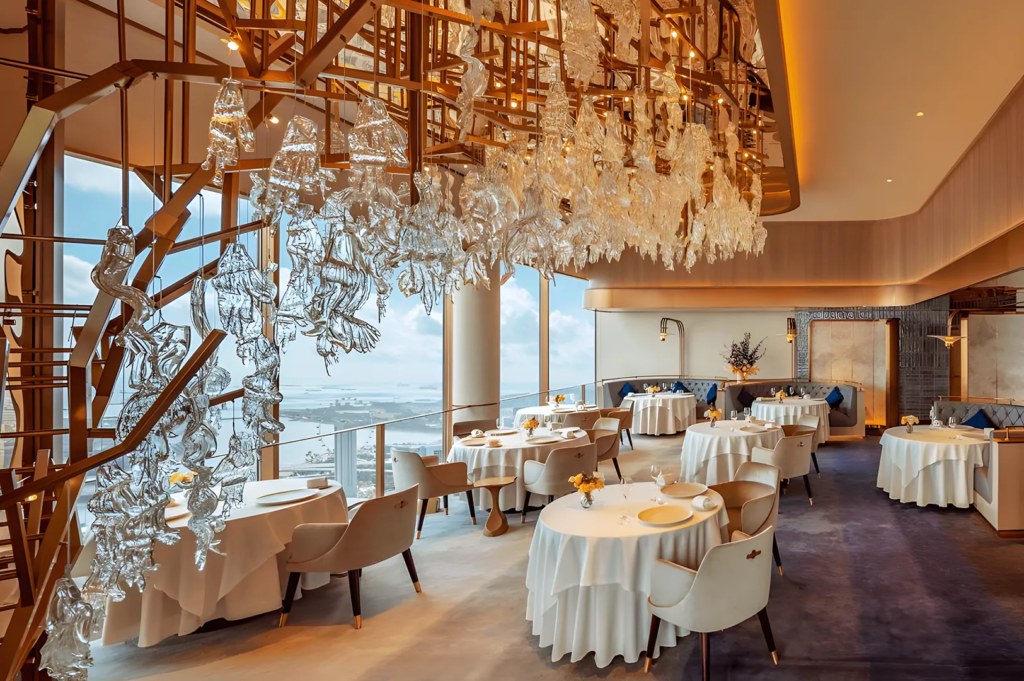
Here is what I know after enough of these evenings to lose count. Nobody remembers whether you used the right fork. They remember whether you were present, whether you were kind, whether you actually enjoyed the food in front of you. Mastering table manners matters because fine dining etiquette helps create a memorable experience, not a test of perfection.
Fine dining is not a performance you have to nail. It is a few hours the restaurant has designed to look after you, with each course served from the moment you walk in to the last cup of coffee. Your only real job is to slow down and let it happen. Even simple closing gestures, like placing your napkin neatly to the left of your plate when done, show impeccable table manners.
So book the table. Ask the questions. Drop the fork if you drop it. Walk in a little nervous, and walk out knowing the nerves were never necessary. If this comprehensive guide did its job, the next time will feel easier, and the time after that, easier still. Confidence is not something you bring to the table. It is something the table gives back to you, and on special nights those etiquette tips help the meal feel more polished for everyone at the dinner table.