There is something slightly intimidating about sitting directly in front of a sushi chef.
The counter is spotless. The ingredients are arranged with extraordinary care. Everyone seems to understand exactly what is happening.
Everyone, perhaps, except you.
If you have never experienced omakase, it is easy to assume that you need an impressive knowledge of Japanese cuisine to appreciate it.
You might worry about recognising different types of fish, understanding Japanese dining etiquette, or knowing when to eat each piece.
And when the price of dinner can run into hundreds of dollars, the pressure to get everything right becomes even greater.
But here is something worth knowing.
You do not need to be a sushi expert to enjoy omakase.
In fact, being a beginner can make the experience particularly memorable.
Omakase Isn't a Test of Your Knowledge
The Japanese term omakase is commonly understood as leaving the selection to the chef.
Instead of choosing individual dishes from a menu, you entrust the chef with creating a sequence based on the ingredients available and the restaurant's culinary approach.
That means you are not expected to arrive knowing exactly what you want.
The chef has already made many of those decisions.
Your role is considerably simpler: remain curious, pay attention, and enjoy the meal.
At a welcoming omakase counter, asking questions should not feel embarrassing.
You might ask where an ingredient comes from, why a fish has been prepared in a particular way, or how the rice complements the topping.
A good explanation can turn an unfamiliar piece of sushi into something genuinely fascinating.
Why Sitting at the Counter Changes Everything
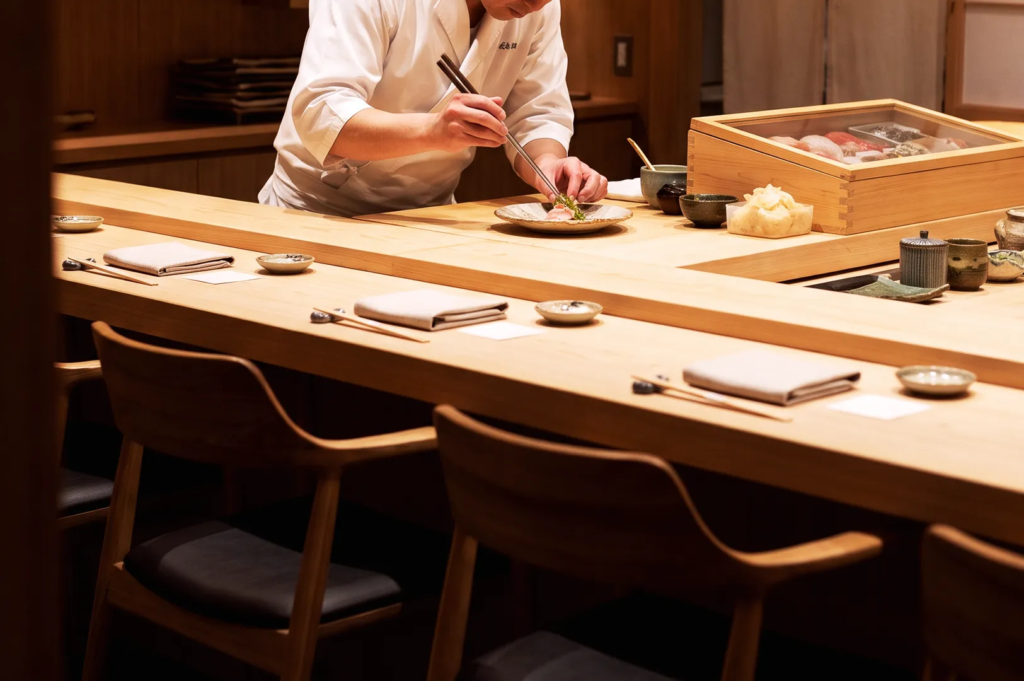
Unlike an ordinary restaurant, where most of the cooking happens behind closed kitchen doors, omakase often places preparation directly in front of the guest.
You watch the chef slice fish, shape rice, apply seasoning, and complete each piece with deliberate movements.
It is an unusually intimate form of dining.
Even familiar ingredients begin to feel different when you observe how much attention goes into preparing them.
The temperature of the rice matters. The balance between rice and seafood matters. Even the timing of when a piece reaches your plate can affect the experience.
These details are not always obvious to first-time diners.
But they are part of what makes the meal distinctive.
What If You Don't Like Raw Fish?
This is one of the most important questions to consider before making a reservation.
Omakase experiences vary, but sushi-focused menus frequently feature raw seafood.
Some restaurants incorporate cooked dishes, grilled ingredients, or other preparations. However, guests should not assume that every menu can accommodate extensive substitutions.
If you have allergies or dietary restrictions, contact the restaurant before booking.
The same applies if you strongly dislike particular ingredients.
Communicating your needs in advance gives the restaurant an opportunity to explain what can reasonably be accommodated.
It also prevents unnecessary discomfort during the meal.
Expensive Doesn't Always Mean Better for Beginners
It might seem logical to choose the most expensive restaurant for your first omakase experience.
After all, wouldn't a higher price guarantee better sushi?
Not necessarily.
More expensive menus may include rare ingredients, elaborate preparations, or particularly specialised culinary styles.
Those features can be wonderful, but they are not automatically essential for someone discovering omakase.
For a first experience, comfort and accessibility matter.
Look for a counter where the atmosphere feels welcoming and the menu fits your budget.
Our guide to the best omakase experiences in Singapore explores different counters worth considering for a memorable Japanese dining experience.
The right restaurant is one where you can appreciate the experience without feeling overwhelmed by it.
The Best Way to Enjoy Your First Omakase
One of the easiest mistakes is treating the meal as something you need to analyse constantly.
Of course, paying attention to flavour and technique can enhance your appreciation.
But you do not need to identify every ingredient or understand every culinary tradition.
Notice how the rice feels against the fish. Pay attention to the contrast between different courses. Observe how the chef introduces changes in flavour and texture.
And if something surprises you, enjoy the surprise.
Omakase is built around an element of trust.
Part of its appeal is allowing someone with specialised knowledge to introduce you to things you may never have chosen yourself.
Perhaps Beginners Have an Advantage
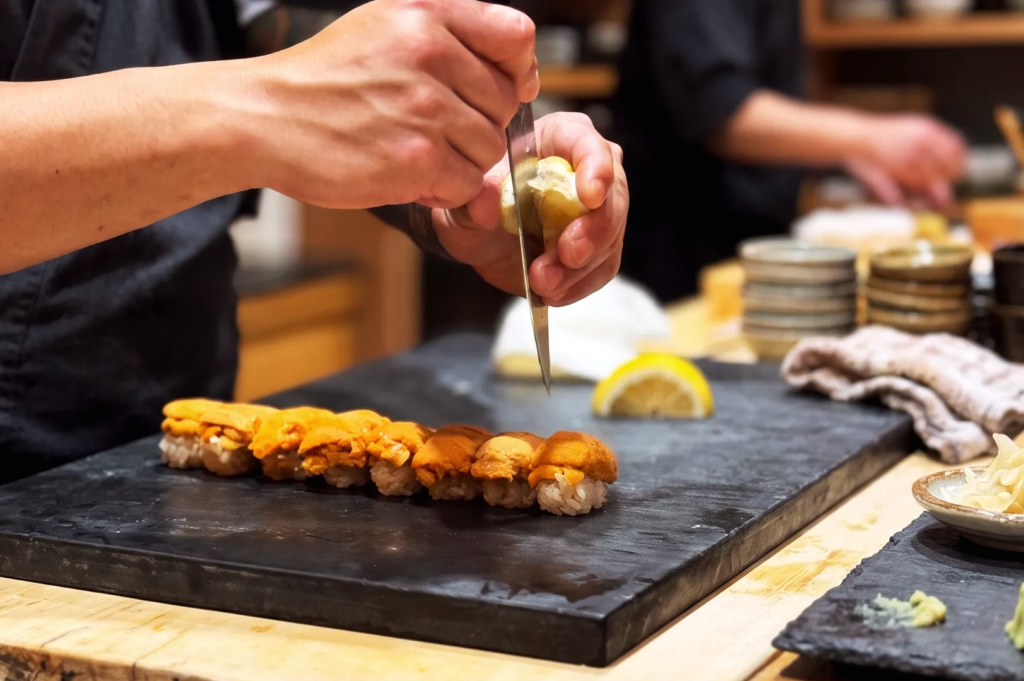
Experienced sushi enthusiasts often arrive with established preferences and expectations.
First-time diners have something equally valuable: curiosity.
An unfamiliar ingredient can become a discovery. A simple piece of nigiri can reveal details you never previously noticed.
You may leave understanding more about Japanese cuisine.
Or you may simply remember an excellent dinner.
Either outcome is perfectly valid.
Because omakase is not about proving how much you know.
It is about discovering what happens when you allow the chef to lead.