Before anything arrives from the kitchen, there is the table.
Sometimes almost bare.
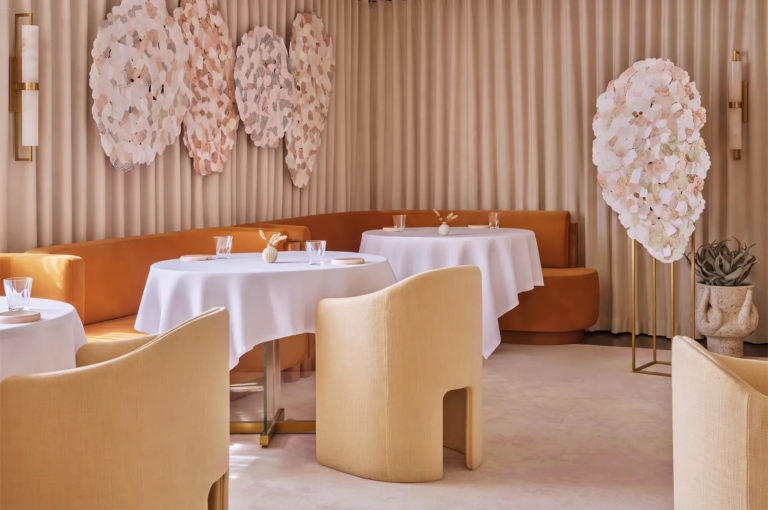
Sometimes covered in linen.
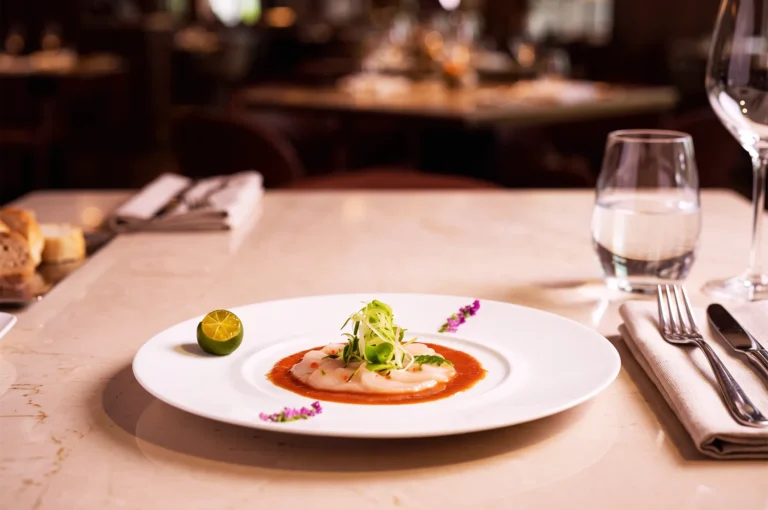
One glass. Three glasses. A small plate. A folded napkin. Cutlery arranged with a precision that suggests the evening has already been considered.
You sit down.
Without tasting anything, you begin to understand the restaurant.
The First Detail
I often look at the table before I look around the room.
Not deliberately.
Perhaps it is simply the first thing close enough to study.
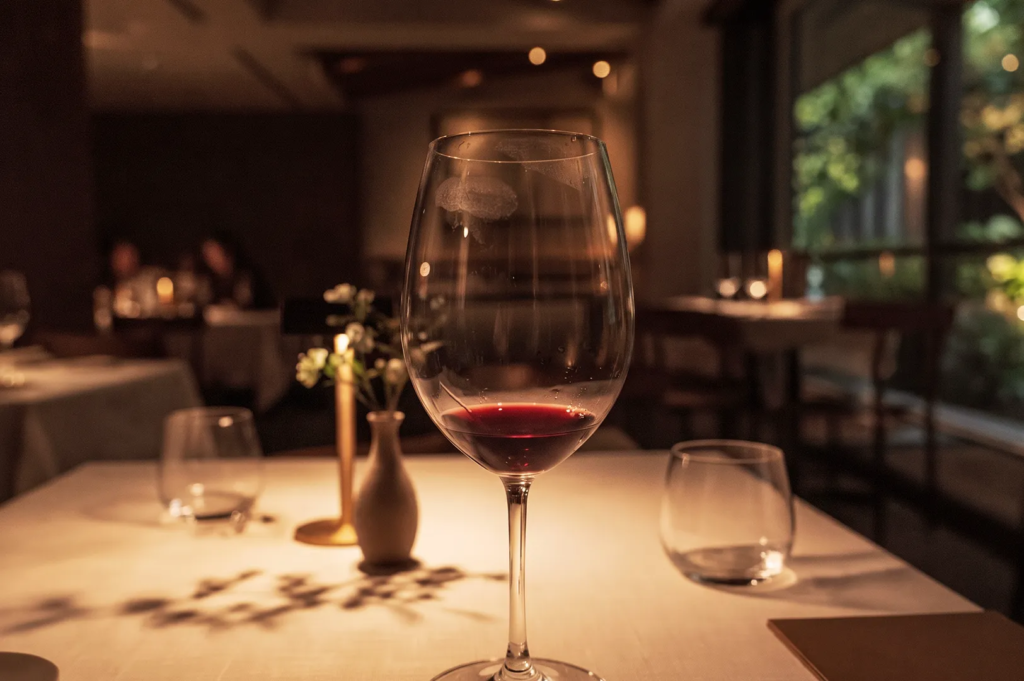
There might be a small vase.
A lamp casting a circle of light.
A menu waiting at the edge.
Or almost nothing at all.
Each choice changes how the table feels.
Formal.
Relaxed.
Intimate.
Precise.
The table is the smallest version of the restaurant.
Everything beyond it — the kitchen, the architecture, the philosophy — eventually has to arrive within this small rectangle of space.
Why Things Are Where They Are
Table settings can appear decorative, but much of their arrangement has practical roots.
The Auguste Escoffier School of Culinary Arts' educational guide to table-setting etiquette explains how formal and casual settings use the placement of plates, glasses and utensils not only for function, but also to establish ambience and give guests subtle cues about the meal ahead.
I like the thought that objects can prepare us for an evening before anyone explains it.
A table with several pieces of cutlery suggests time.
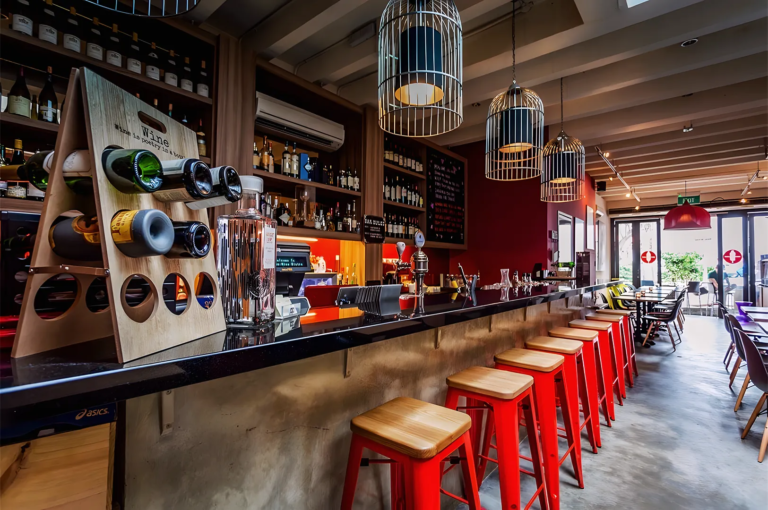
A counter with little between the diner and chef suggests proximity.
A table left intentionally simple directs attention elsewhere.
None is necessarily better.
They are different ways of beginning.
Space For What Comes Next
At many fine dining restaurants in Singapore, the table changes constantly throughout dinner.
Objects arrive.
Objects leave.
A plate replaces another.
A wine glass appears beside the first.
Cutlery is removed and returned in a different form.
Bread arrives, then disappears.
By dessert, the table you first sat down at no longer exists.
I find this gradual transformation beautiful.
A table records the evening without keeping anything permanently.
Evidence Of Dinner
Halfway through a meal, perfection begins to loosen.
A napkin no longer holds its original fold.
A glass carries fingerprints.
There are crumbs near the bread plate.
A bottle is lighter than when it arrived.
Someone has moved their chair closer to the table.
These would have looked like imperfections before service.
Now they are evidence.
People have occupied the space.
The table has stopped being a setting and become somewhere an evening is actually happening.
After Everyone Leaves
Eventually, everything is removed.
The plates first.
Then the glasses.
Napkins disappear.
Crumbs are brushed away.
For a few moments, the table becomes completely bare.
Then preparation begins again.
A cloth is placed down.
A glass catches the light.
Cutlery returns to familiar positions.
The chairs are straightened.
Soon, another guest will arrive and find everything untouched.
They will not see what happened at the table before them.
They should not.
Every dinner begins with a clean surface.
But for a brief moment between clearing one evening and preparing the next, the table holds nothing.
Just space.
Waiting for another story to begin.