There is a moment before the first pour. The bottle rests on the table, its label catching the light, and no one reaches for it too quickly. Wine asks for this kind of patience. It rewards those willing to wait.
Most of us drink wine without truly meeting it. We open, we sip, we move on. But wine is one of the few things on the table that carries time inside it — the season it grew in, the hands that tended it, the years it spent in the dark before arriving here. Tasting wine properly is not about expertise. It is about slowing down long enough to notice what is already there.
Step One: Look at What Is in Your Glass
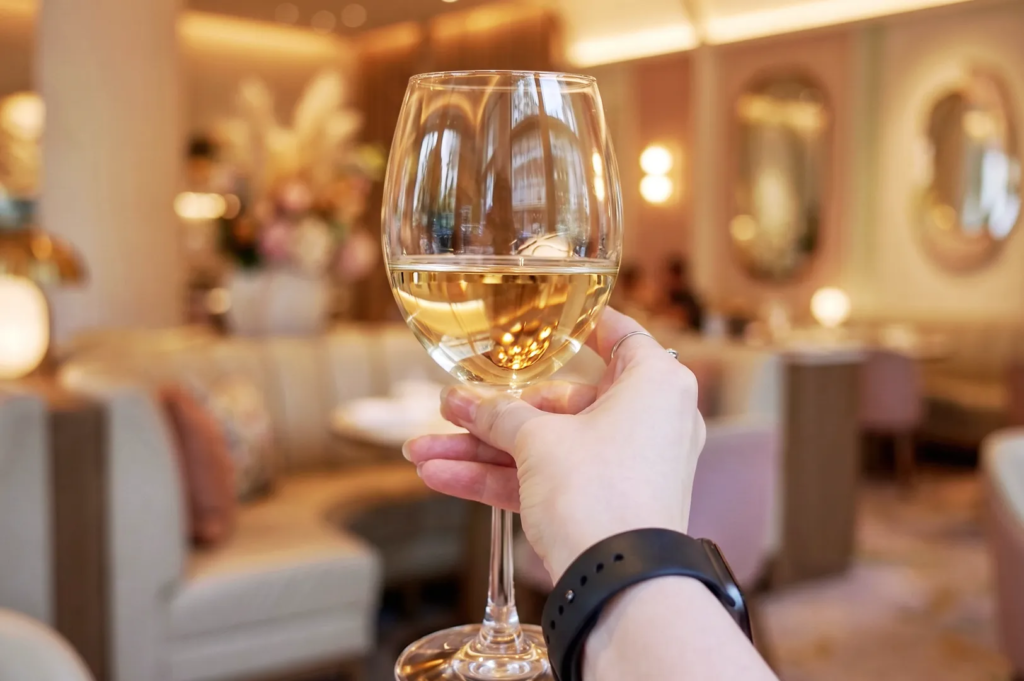
Pour a glass and hold it up to the light, tilting it slightly over a white surface or a napkin. Notice the color first, the way it deepens toward the center and thins at the rim.
A young red wine leans toward violet or ruby. An older one softens into something closer to brick or garnet. White wines shift in the opposite direction, gaining deeper gold as they age. The color alone begins to tell you where the wine has been, and how long it has waited.
Swirl it gently. The wine climbs the side of the glass and slips back down, leaving faint streaks behind. These are sometimes called “legs,” and while they say less than people think, the act of swirling matters. It opens the wine up, releasing aromas that would otherwise stay locked in the glass. If you are curious about what color and clarity can reveal more precisely, there is a structured framework for reading a wine visually that breaks it down clearly.
Step Two: Smell Before You Taste
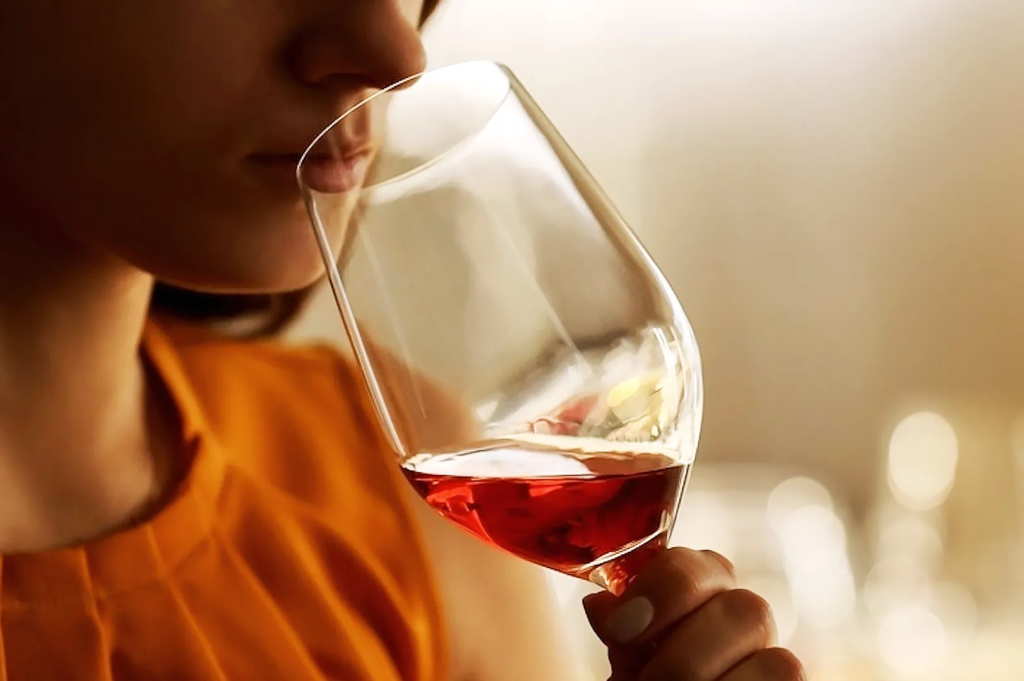
Bring the glass close and breathe in before anything touches your tongue. This is where most of the work happens.
Aroma carries most of what we call flavor. The tongue itself can only detect a handful of basic sensations: sweet, sour, salty, bitter, and a quality sometimes described as savory depth. Everything else — the fruit, the earth, the spice, the floral notes — reaches us through our sense of smell. Take one breath, then pull back. Wait a moment, then return. The wine changes in the glass as it opens up, and the second impression is often richer than the first.
Try not to overthink what you are smelling. You are not being tested. If it reminds you of something specific, a memory, a place, something from a market, hold onto that. That kind of association is exactly what good tasting builds on.
Step Three: Take a Thoughtful Sip
When you finally taste the wine, let it sit for a moment before you swallow. Notice a few things in order.
Sweetness arrives first, at the tip of the tongue. Acidity follows, that bright or sharp quality that makes your mouth water. Then come tannins, present mainly in red wines, the drying sensation that coats the sides of your mouth and the back of your teeth. After that, notice the weight of the wine, whether it feels light and delicate or full and rich. Finally, pay attention to what lingers after you swallow. A wine with a long, complex finish is generally a sign of quality.
You do not need to name every element out loud. What matters is the habit of noticing, one thing at a time. For those who want to go further, the deductive method used by professional tasters offers a useful framework for building consistency and vocabulary over time.
Wine at the Table
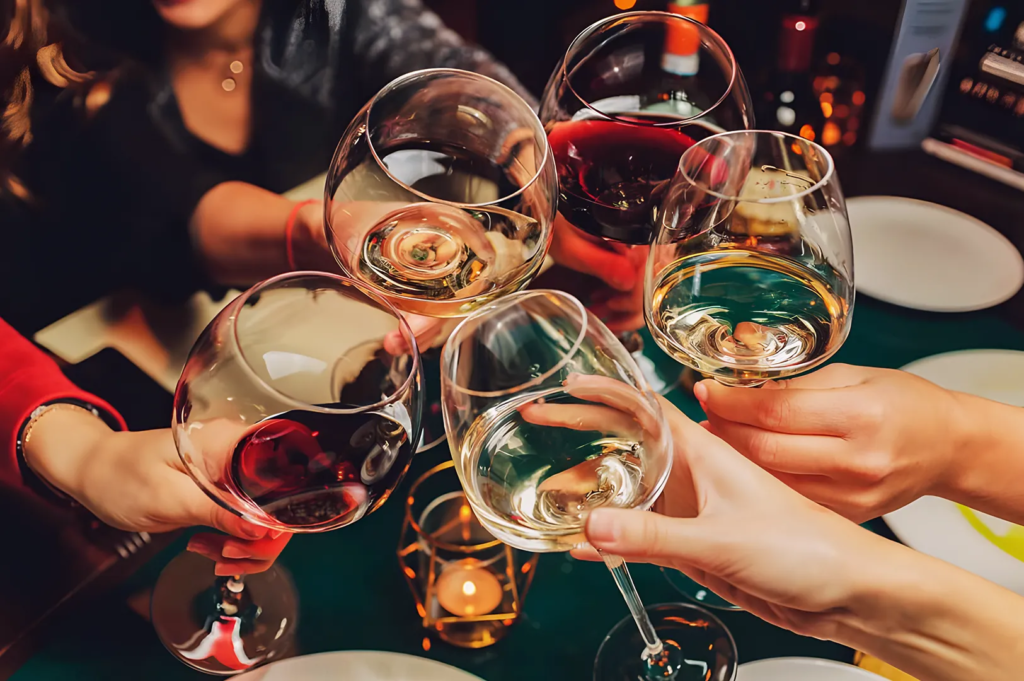
Wine was never meant to be tasted in isolation. It belongs beside food, beside conversation, beside the slow unfolding of an evening. Some of the most meaningful meals begin exactly this way, which is something we return to often in our reflections on the shared table.
A glass of something bright and acidic can lift a simple plate, cutting through richness and refreshing the palate. A fuller red can hold its own against deeper, more savory dishes, each one softening the other. The pairing does not need rules. It needs attention. A willingness to notice how one taste shifts the next is all you really need.
What stays with you is rarely the most expensive bottle. It is the evening the wine belonged to. We have written before about how a meal earns its place in memory, and wine sits quietly at the center of that.
A Reason to Slow Down
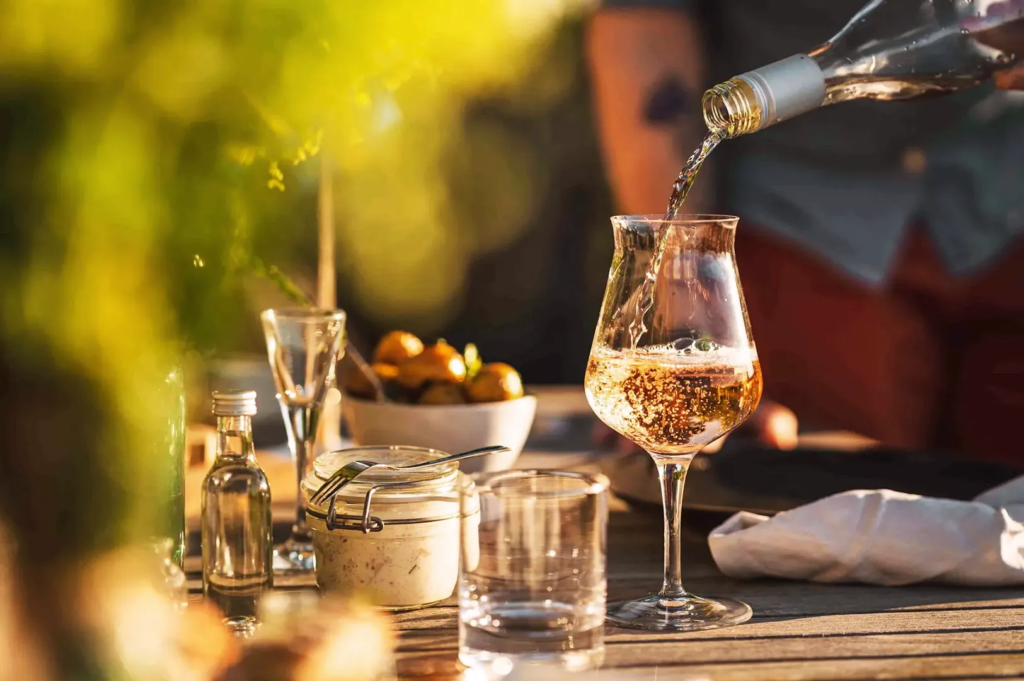
Tasting wine well is a practice, not a performance. Each bottle carries a season, a place, and a certain amount of waiting. To drink it with attention is to honor all of that, even for a single evening.
The next time a bottle rests on your table, give yourself the moment. Look at the color. Smell it twice. Taste it slowly. The wine will tell you something, if you give it the quiet to be heard.