Singapore has plenty of omakase restaurants, but they are not all offering the same evening. Some stay close to traditional Edomae sushi. Others fold in French technique or a more expressive, contemporary hand. The best omakase in Singapore is not about how many pieces land on your plate.
It is about what the chef curates, how the omakase meal unfolds, and whether you feel you were in good hands from the first bite to the last. Here are seven counters, each offering a different kind of trust. If you are weighing up a wider celebration, it also helps to see these counters beside the city’s other standout restaurants in singapore, and you can browse more here when you plan.
| Restaurant Name | Location |
|---|---|
| Shoukouwa | One Fullerton |
| Sushi Sakuta | Millenia Walk |
| Shinji by Kanesaka | The St. Regis Singapore |
| Sushi Sato 鮨 佐とう | Dempsey Hill |
| Sushi Masaaki | South Beach Avenue |
| IYASAKA by Hashida | Raffles Sentosa Singapore |
| Omakase @ Stevens | 30 Stevens Road |
1. Shoukouwa: For the Serious Sushi Diner and Proper Omakase Dining in Singapore
Location: One Fullerton, 1 Fullerton Road, #02-02A One Fullerton, Singapore 049213
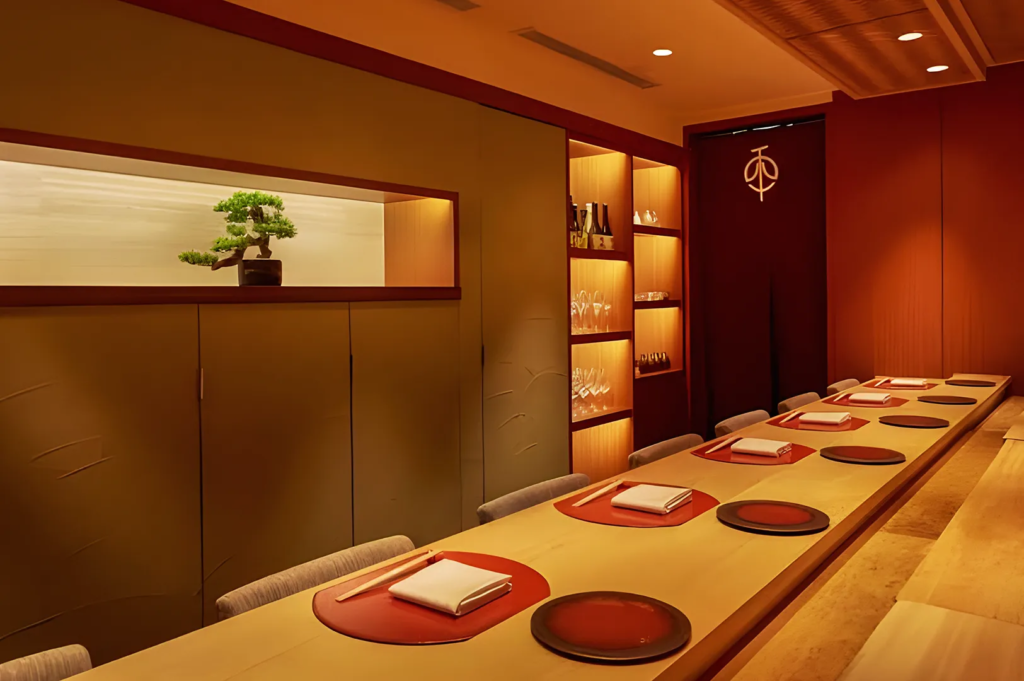
If you care about fish above all else, Shoukouwa is one of the most sought-after Japanese omakase restaurants to book. Shoukouwa sits inside One Fullerton with just eight seats at a hinoki counter, and its whole philosophy rests on ingredient quality. Seafood is flown in from Tokyo’s Toyosu Market, with Shoukouwa stating that its seafood arrives daily, with a clear focus on the freshest seasonal ingredients, and it shows.
This is traditional Edomae sushi at the highest level, with two Michelin stars to match. The premium seafood here includes rare fish you rarely see elsewhere, each piece pressed onto warm, precise sushi rice, with shari seasoned carefully for balance. Expect quiet focus rather than theatre. Reservations are usually required because seating is limited.
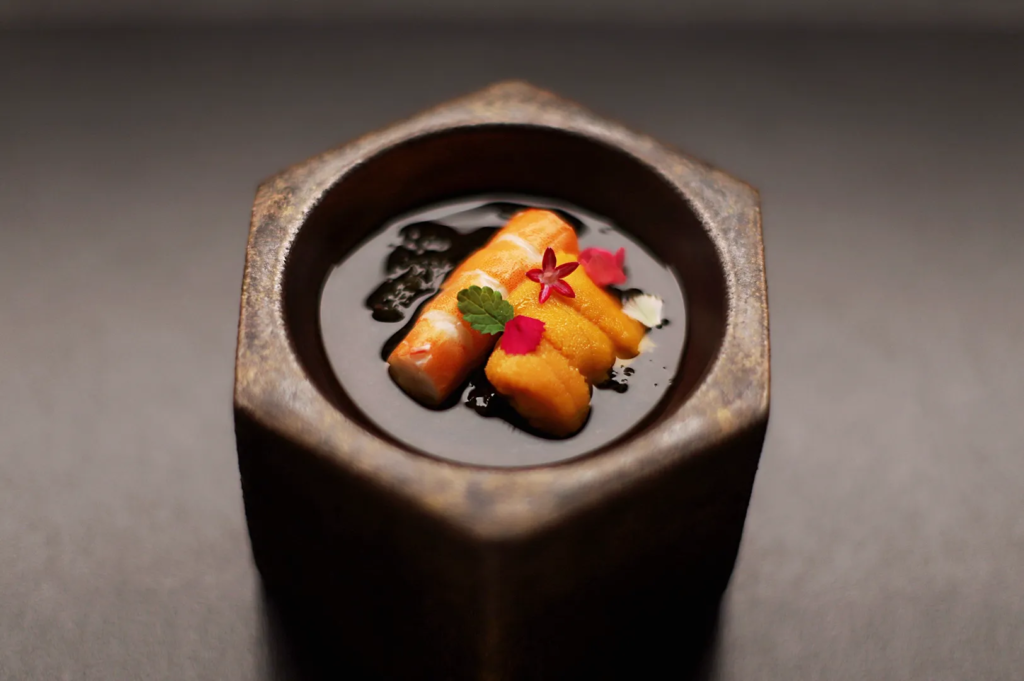
Pricing runs from around S$380++ for the Miyabi lunch omakase menu to S$520++ for Hana and S$680++ for the En dinner omakase menu. One thing worth knowing: the 6pm seating can feel a touch brisk because a second seating follows at 8:15pm, so book the later slot if you want to linger.
Best for: milestone dinners and diners who want fish and technique over flourish.
2. Sushi Sakuta: For the Seasonal Purist and Seasonal Tasting Menu Based Omakase in Japanese Restaurant
Location: Millenia Walk, 9 Raffles Boulevard, #01-06/07/08 Millenia Walk, Singapore 039596
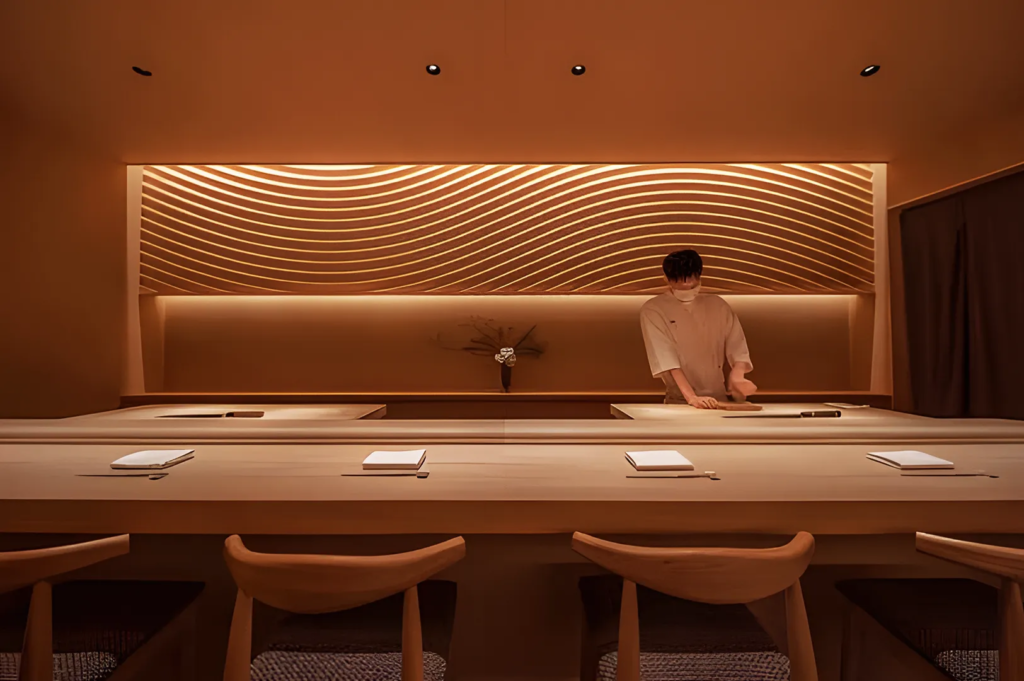
Sushi Sakuta fits this article’s spirit almost perfectly. Chef-owner Yoshio Sakuta works in a focused, deeply seasonal style at a 10-seat Nara-cypress counter in Millenia Walk, a four-minute walk from Promenade MRT.
The mood is hushed and considered. Reviewers consistently praise the precision, the thoughtful presentation, and how knife skills shape fish texture and presentation, along with an abalone so soft it barely resists the bite. This is omakase dining built on restraint, where the seasonal ingredients genuinely steer the meal. In a strong omakase course, that flow usually moves from lighter flavors, including seasonal sashimi, toward richer ones. It usually closes with dessert and tea.
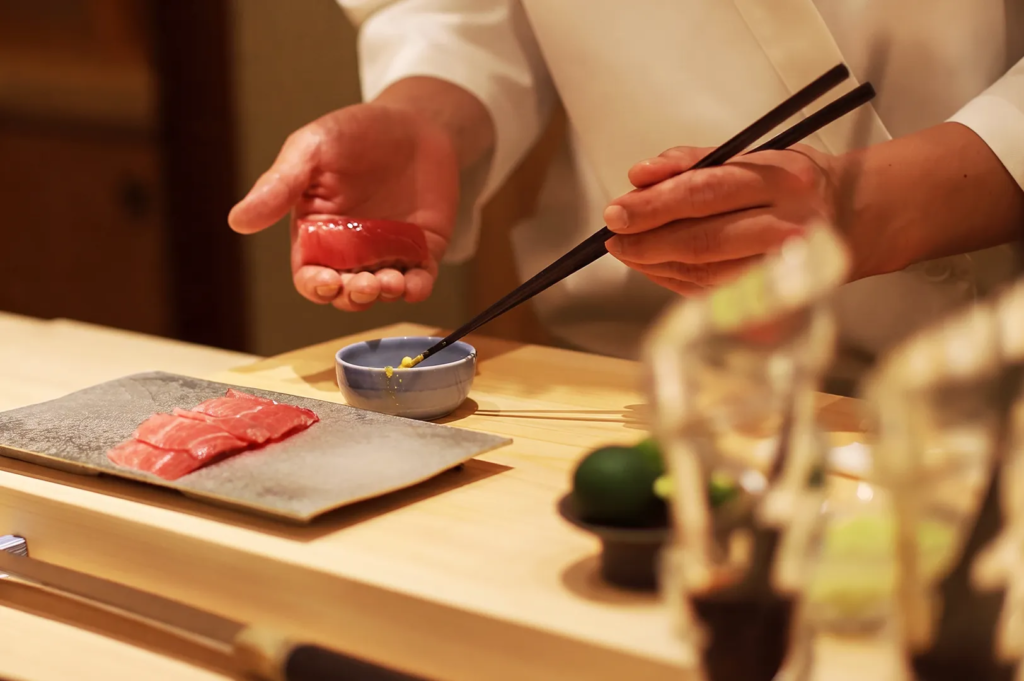
Lunch omakase menu starts at S$350++, which I would point to as the gentler way into a two-star room, with a longer S$580++ option. Dinner omakase menu is S$580++ for the omakase or S$650++ for the Sakuta-Shima, which adds tempura from neighbouring Tenshima. A small note: skip the heavy perfume, as the restaurant asks guests to keep aromas from interfering with the food.
Best for: an anniversary, a solo counter dinner, or anyone who values quiet craftsmanship.
3. Shinji by Kanesaka: For the Traditionalist and Japanese Restaurant Experience in Omakase Singapore
Location: The St. Regis Singapore, Lobby, 29 Tanglin Road, Singapore 247911
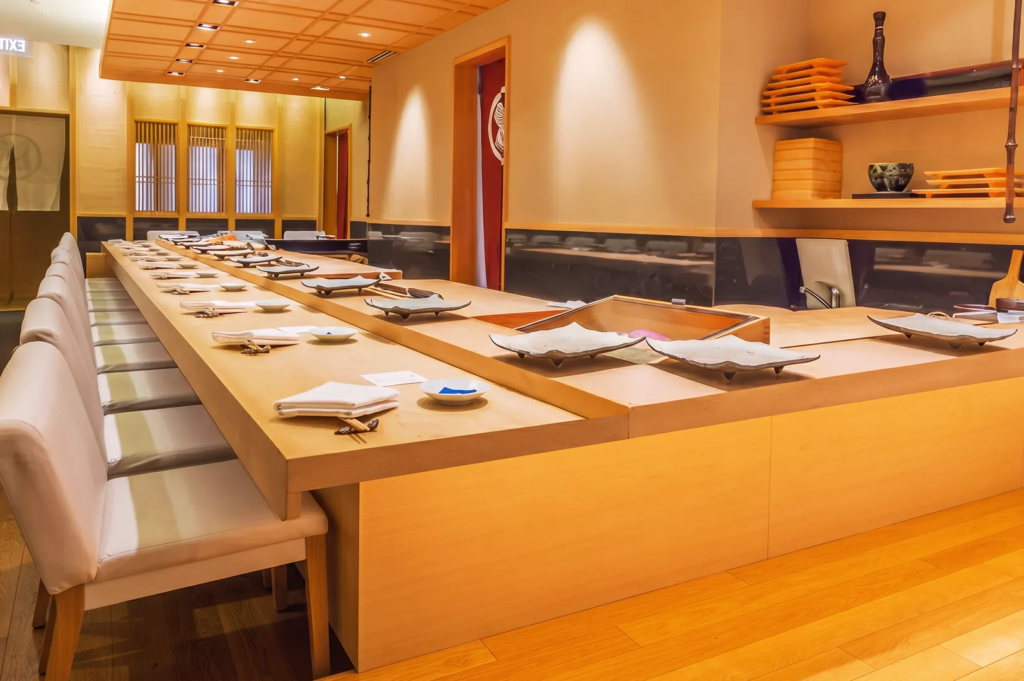
Shinji is the classicist’s choice. Now consolidated at The St. Regis Singapore on Tanglin Road, it commits fully to traditional Edomae sushi, seasonality, and the long training tradition behind every chef at the counter. The hotel setting adds polish without ever bending the sushi philosophy.
The nigiri here is precise, the sushi rice served warm and lightly seasoned, and the hospitality glows on birthdays and anniversaries. If you want Japanese cuisine in its most disciplined, unshowy form, this is it.
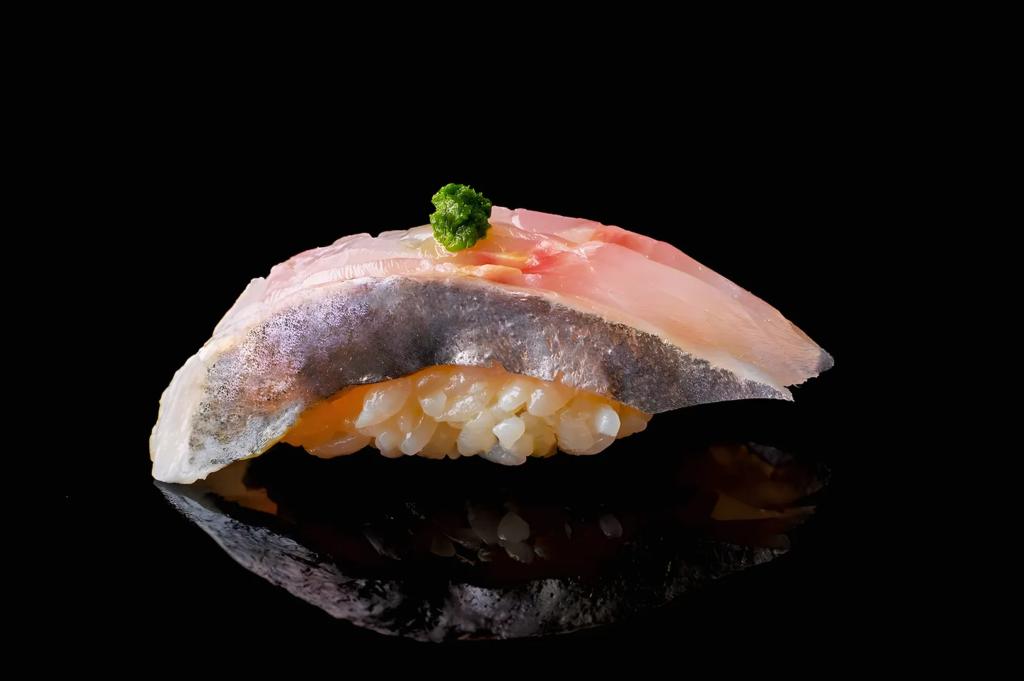
Shinji has omakase menus ranging from more accessible lunch omakase menu options to premium dinner omakase tiers, with lunch courses from the S$150 Tsuki sushi course and S$200 Yuki up to the S$280 Omakase Yume. Dinner runs from the S$250 Sushi Edomae to Omakase Wa at S$350 and Omakase Shin at S$480. This spread gives diners a good balance between quality and pricing, especially for those considering omakase options. Most omakase experiences here run about 1.5 to 3 hours, so it’s easy to plan accordingly. If a formal room like this makes you nervous, a quick read of https://unrushedtables.com/fine-dining-etiquette-for-gen-z-table-manners-you-need-before-your-first-luxury-dinner/ will settle most first-timer worries.
Best for: business dinners, traditionalists, and a confident first serious omakase.
4. Sushi Sato: For an Intimate Dining Experience in Omakase Singapore
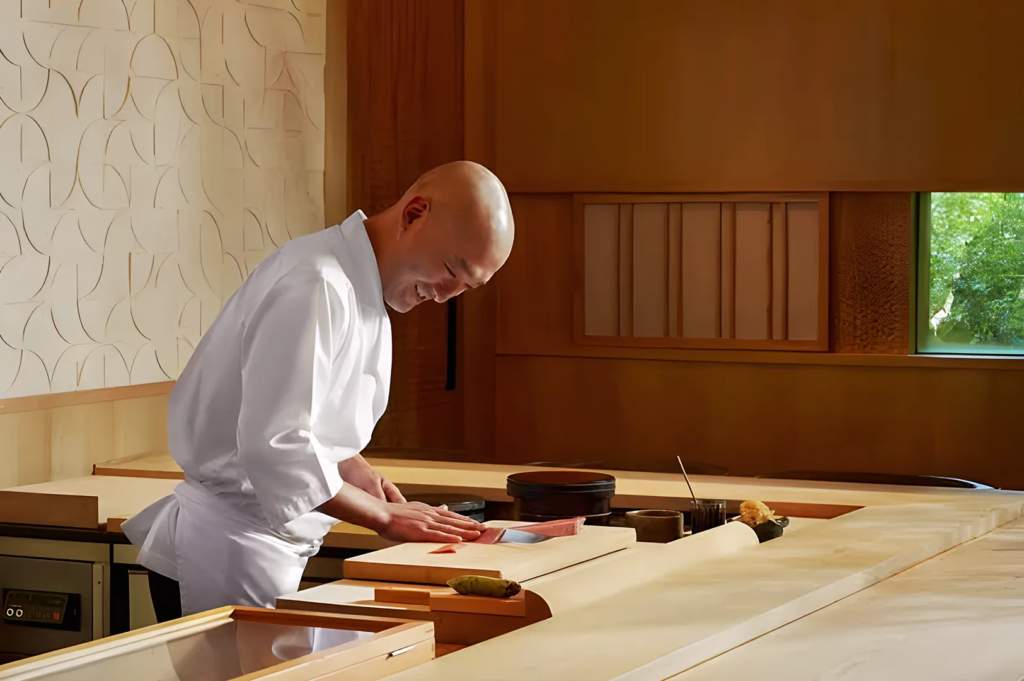
Location: Dempsey Hill, 6B Dempsey Road, Singapore 247662
Tucked into the greenery of Dempsey Hill, Sushi Sato is the quiet one on this list. A premium hinoki surface imported from Japan, and a pace that never feels hurried make it a genuinely intimate dining experience; like most omakase restaurants, it keeps seating limited for intimacy.
What I love about the reports here is the pacing. Courses arrive without feeling rushed or overly drawn out, and the chef happily explains ingredients and sourcing. The experience usually runs about 1.5 to 2 hours, allowing diners to settle into the meal. This is counter seating at its most personal, and it rewards diners who like conversation with their sushi.
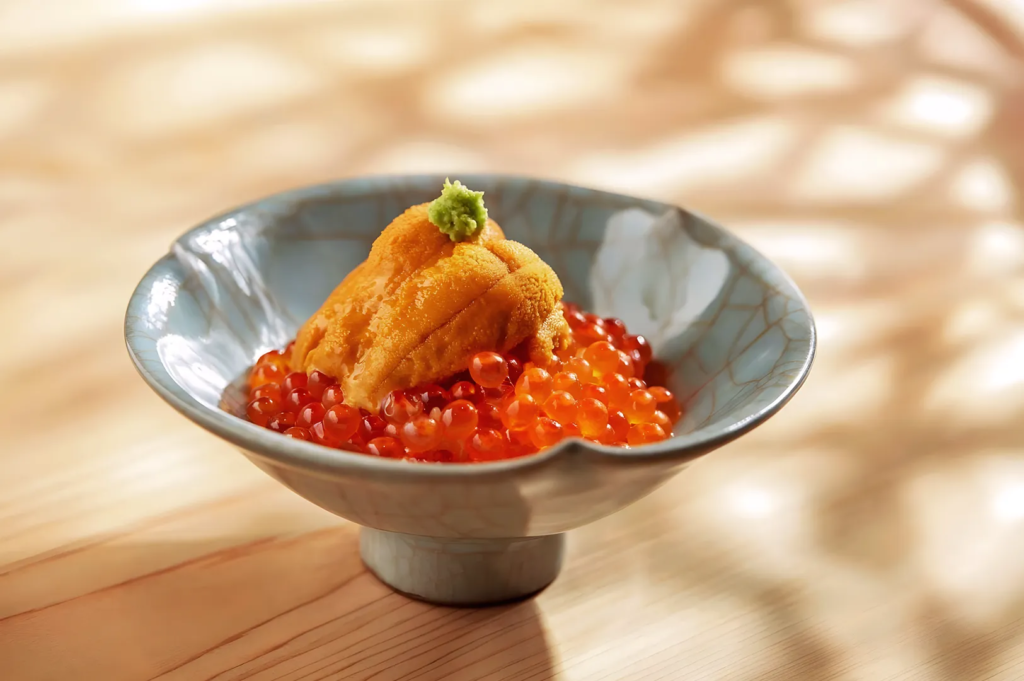
Lunch omakase menu is approachable by omakase standards, starting at S$188 for Utsukushi, S$250 for Tomi, and from S$350 for the Chef’s Special. Dinner omakase menu is S$420 for Kokoro or S$480 for the Chef’s Special, before GST and service charge. It sits outside the central cluster, so plan your transport, with Napier MRT the nearest rail reference.
Best for: couples and sushi lovers who prefer a personal rather than theatrical evening.
5. Sushi Masaaki: For Personality at the Counter and the Best Omakase Singapore Experience
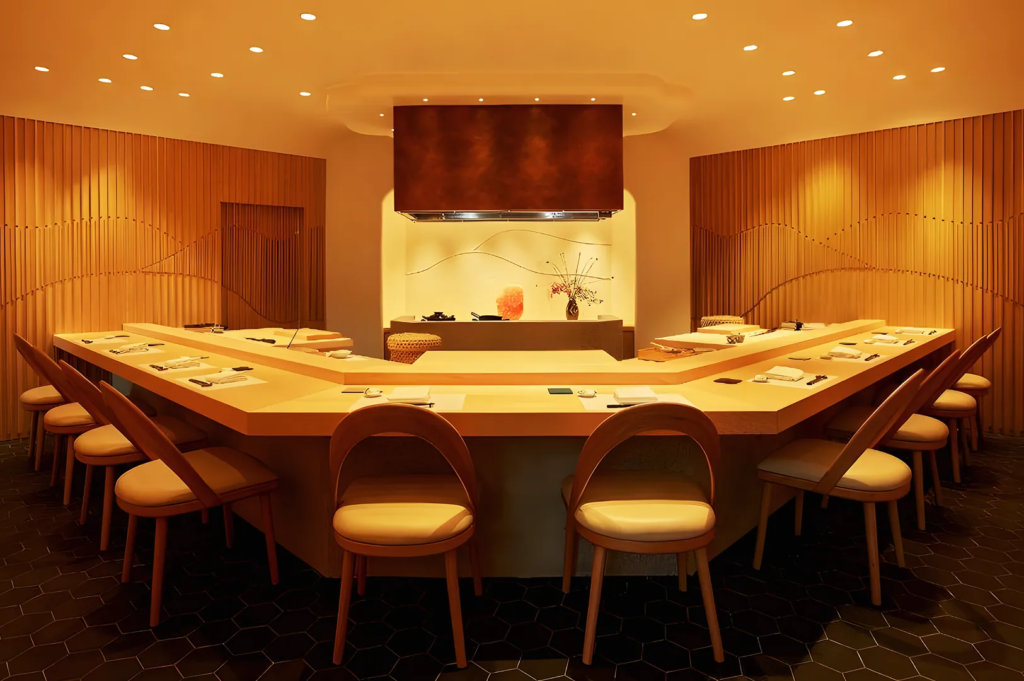
Location: South Beach Avenue, 26 Beach Road, #B1-17 South Beach Avenue, Singapore 189768
Some counters are silent. Sushi Masaaki is not, and that is its charm. Chef Masaaki brings a Kyoto grounding and a warm, conversational style, working from a counter carved out of a 250-year-old hinoki tree at South Beach Avenue.
The approach blends traditional technique with the chef’s own ingenuity. Diners single out the fresh uni, the botan ebi and chutoro, the elegant plating, and a relaxed room that never tips into stiffness. It is traditional Edomae sushi with a human voice.
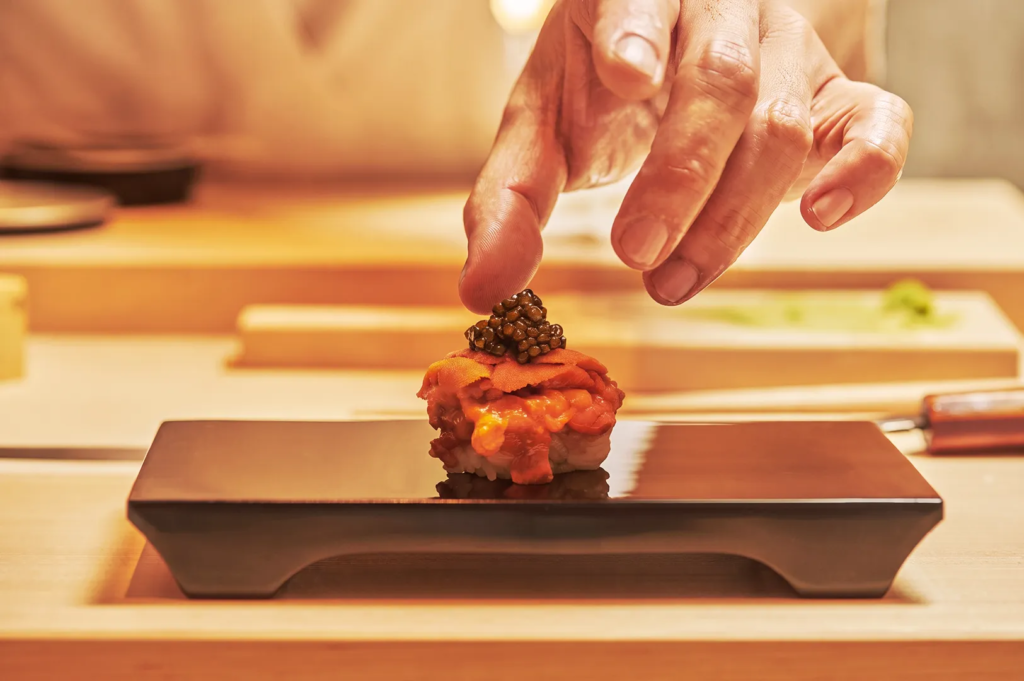
Menu pricing can change, so check the current omakase options when booking. Dinner runs two seatings, at 6pm and 8:30pm, seven days a week. Choose the counter here, as the open-kitchen relationship is the whole point.
Best for: diners who want top-tier sushi with sea urchin, good talk, and a little humour.
6. IYASAKA by Hashida: For Contemporary Omakase and Japanese Cuisine
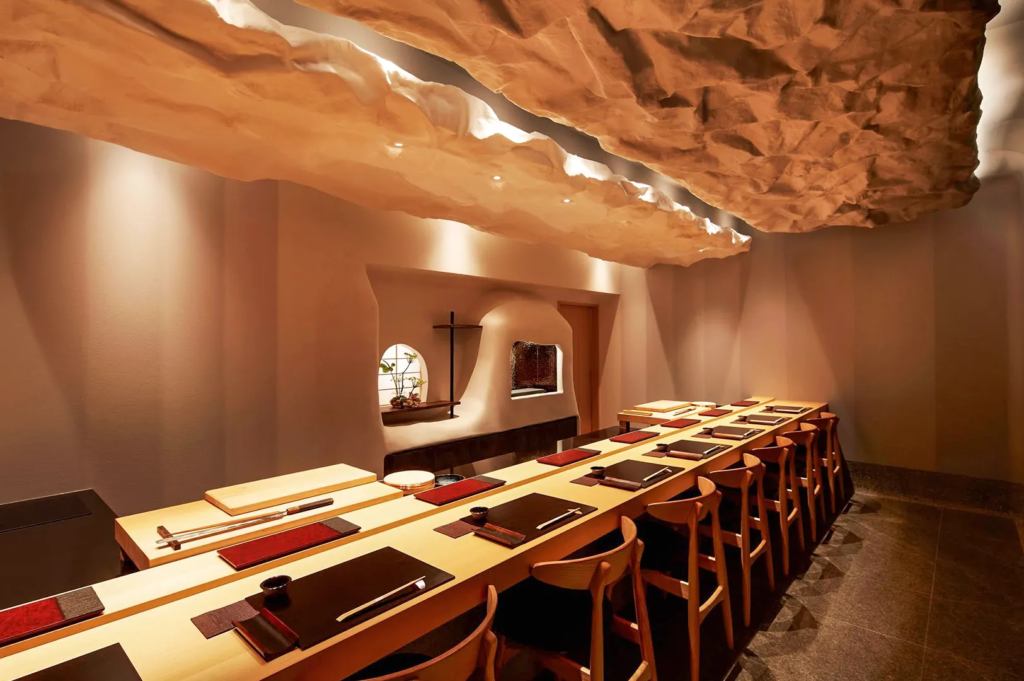
Location: Raffles Sentosa Singapore, 4 Bukit Manis Road, Sentosa, Singapore 099947
For something more expressive, head to IYASAKA. Chef Kenjiro “Hatch” Hashida works a 12-seat counter at Raffles Sentosa Singapore, approaching Japanese cuisine through his own philosophies and adding small contemporary touches to a traditional base.
This is the most experience-led option in the group. Guests praise the toro, the generous ankimo, the beautiful presentation, and a real sense of occasion. It is not a spontaneous city dinner but a destination, right down to the resort buggy that ferries you in.
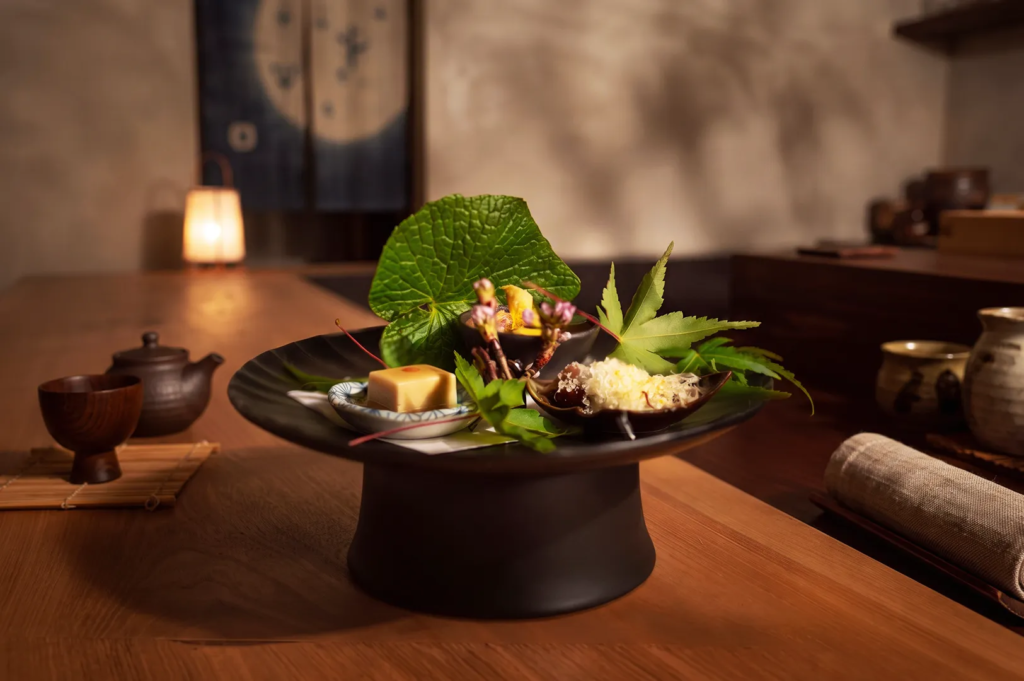
The official site does not publish a fixed current price, so treat any figure as approximate and confirm at booking. One practical detail worth remembering: the return buggy service ends at midnight, so keep an eye on the time.
Best for: celebrations, destination dining, and a modern take on the counter.
7. Omakase @ Stevens: For Your First Omakase Experience and Omakase Dining
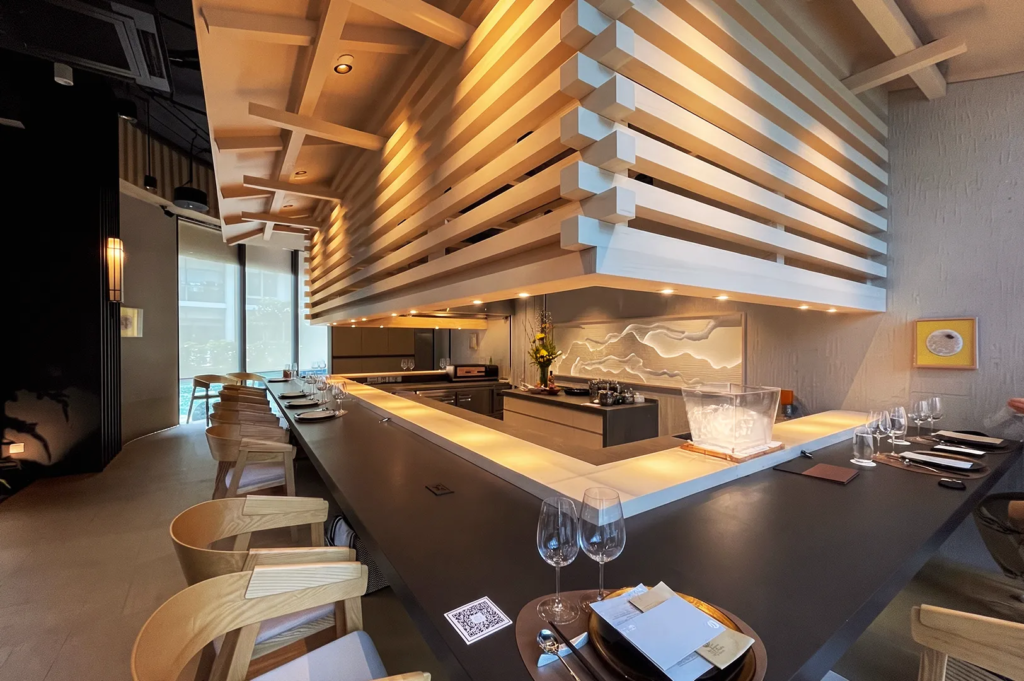
Location: 30 Stevens Road, 30 Stevens Road, #01-03, Singapore 257840
If a pure sushi run feels intimidating, start here at Omakase @ Stevens. This one-Michelin-star room at 30 Stevens Road is a sushi omakase option that blends Japanese ingredients with French technique, giving you a seasonal tasting menu of both sushi and cooked dishes. Chef Kazuki Arimoto, recipient of the Michelin Young Chef Award in 2025, builds the menu around the seasons. The current Autumn 2026 offering is an eight-course progression.
That variety makes it wonderfully welcoming. Expect standout plates like the signature donabe with snow crab and mushrooms, inaniwa udon with snow crab and bafun uni, and Wagyu with red miso and Madeira. Reviewers describe it as an oasis of calm and return across seasons precisely because the menu shifts.
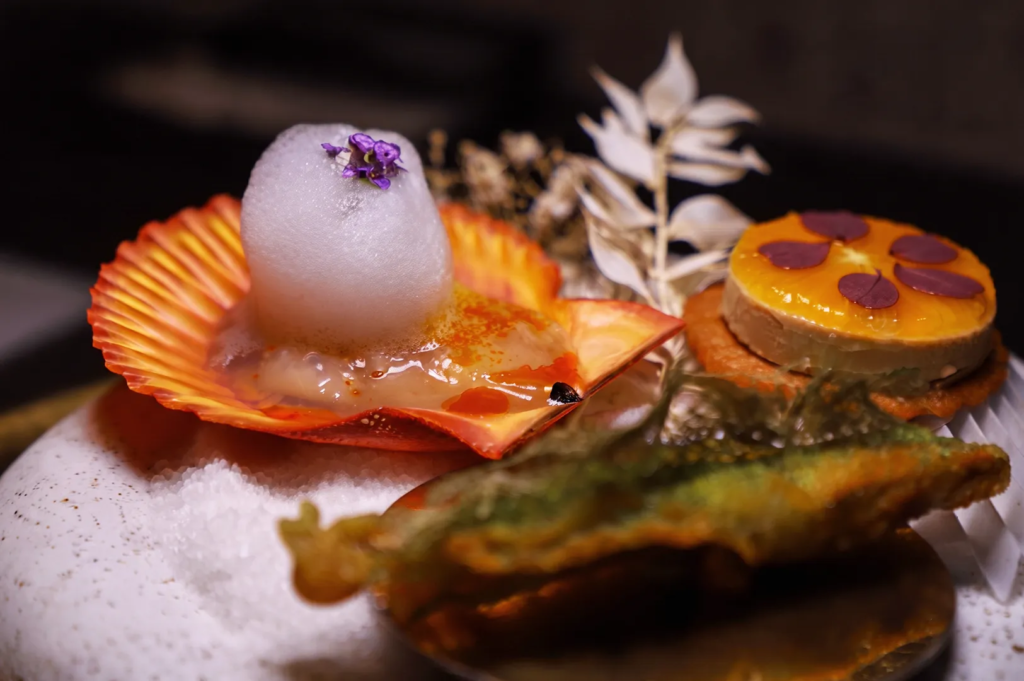
Pricing varies with the seasonal menu; check the current menu when booking. typically as an eight-course progression. Because sauces and hot dishes sit alongside the sushi, it feels more expansive than a strict Edomae counter, which is exactly why it eases newcomers in gently. Sourcing frequency and ingredient luxury often differentiate tiers in omakase restaurants, which helps explain this counter’s pricing and style.
Best for: first-timers and anyone who wants French finesse beside their nigiri.
How to Choose Your Omakase Restaurant in Singapore
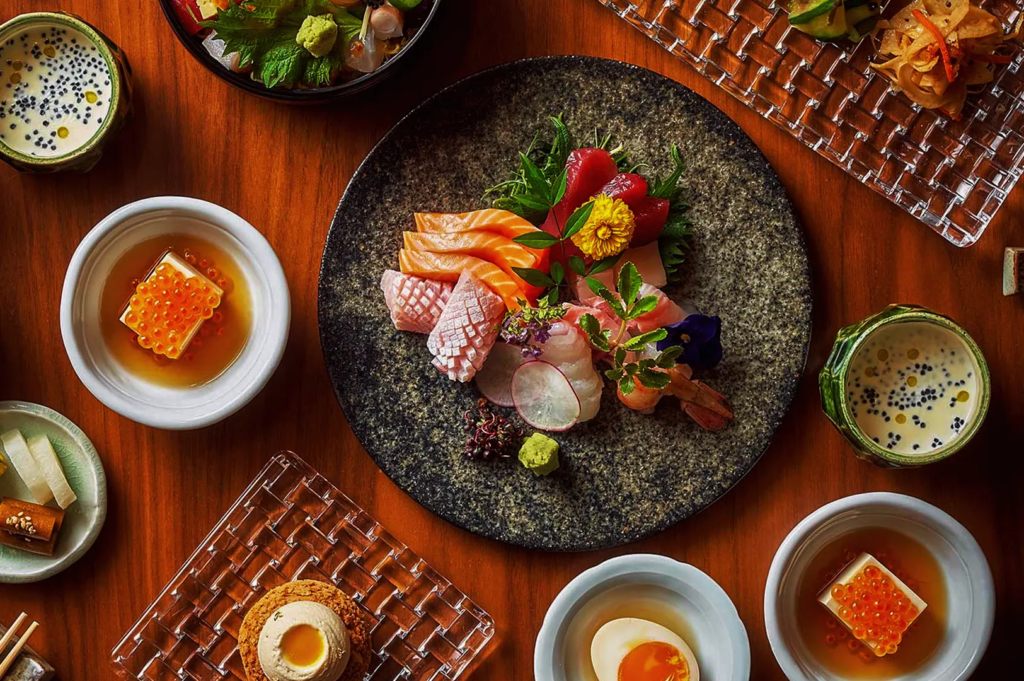
The honest truth is that none of these defines singapore’s omakase scene on its own. They are seven different ways to experience omakase dining in Singapore, and the right one depends on what you want from the evening, especially in a dining scene that now spans classic counters, more contemporary chef-led formats, and different price tiers.
- Purest sushi: Shoukouwa or Sushi Sakuta
- Classic and reassuring: Shinji by Kanesaka
- Quiet and personal: Sushi Sato
- Warm and conversational: Sushi Masaaki
- Modern and theatrical: IYASAKA by Hashida
- Gentle first step: Omakase @ Stevens
A few things hold true across all of them. Book well ahead, as counters are small and cancellation policies are firm. Dress smart casual. lunch courses can be a useful entry point if you want a shorter or more affordable first experience. Come hungry, and come unhurried.
Whichever you choose, the real pleasure is the same. You give up the menu for a while, you settle into the rhythm the chef curates, and you rediscover how good it feels to simply be looked after. That is the quiet gift of a great omakase experience, and it is worth sitting down for.