At an omakase counter, you give up a certain amount of control. You don’t choose what arrives next. You trust the chef to know what is worth serving now. At Sushi Sakuta, that trust is tied closely to the calendar.
I’ve come to believe that precision isn’t something you notice all at once. It’s in the temperature of the sushi rice, the cut of the fish—lean and fatty fish alike—and the restraint of the seasoning. At Sushi Sakuta Singapore, those small decisions quietly add up to the whole meal.
Our guide to Singapore’s most rewarding chef-led Japanese dining counters offers several gracious alternatives.
The Sushi Sakuta Philosophy: Edomae Style Omakase, Distilled
Chef Yoshio Sakuta, the chef owner, once worked behind the counter at Shoukouwa. Today, he leads an all-Japanese team in a season-driven edomae style omakase built around a season-driven omakase using exclusively Japanese fish.
Sushi Sakuta was promoted from one to two Michelin stars in 2025 and retained both in the 2026 Guide. He didn’t respond by making his food more elaborate. He simplified it, letting the sushi speak with fewer interruptions. That’s rare among Michelin starred kitchens, and it’s the clearest sign of his confidence and deep respect for the craft.
A New Home at Millenia Walk: Sushi Sakuta’s Elegant New Space
In November 2025, the restaurant moved from the Capitol Kempinski Hotel Singapore to Millenia Walk. The new space didn’t add spectacle. It added calm and a refined atmosphere for dining.
The Menu: Letting the Season Lead at Sushi Sakuta
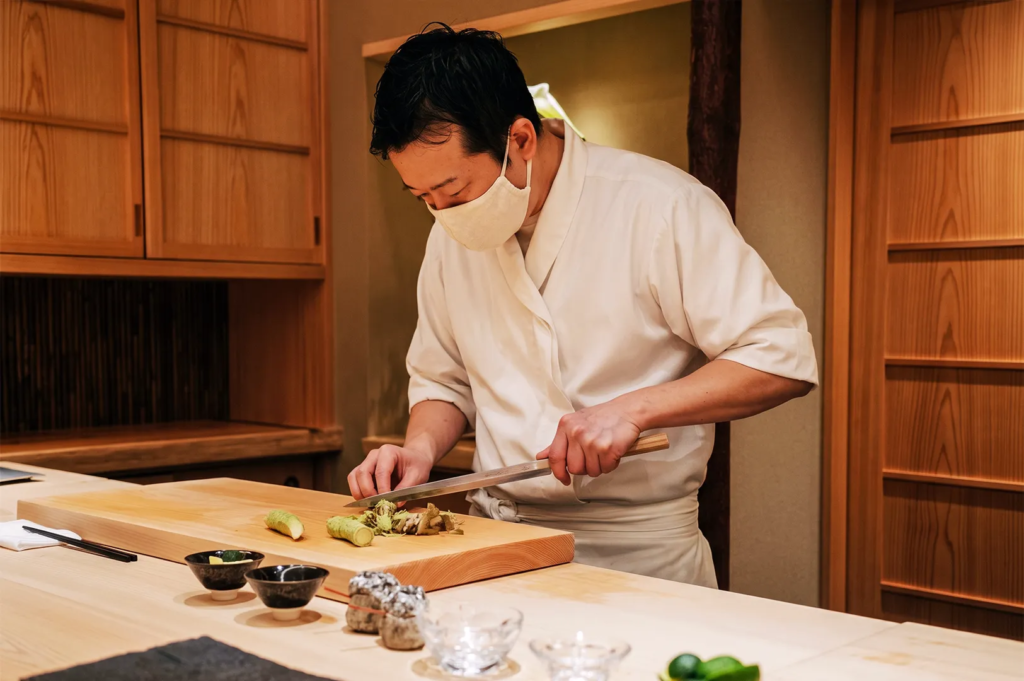
There’s no permanent list to study before you arrive. The menu is a snapshot of what Chef Sakuta considers worth serving at that point in the year.
- Lunch starts at S$350++ for three appetisers, eight pieces of sushi, soup and dessert. A fuller S$580++ lunch is also available.
- Dinner omakase is S$580++ for five appetisers, ten pieces of sushi, soup, and dessert.
- Sakuta-Shima is S$650++ and weaves in tempura from neighboring Tenshima.
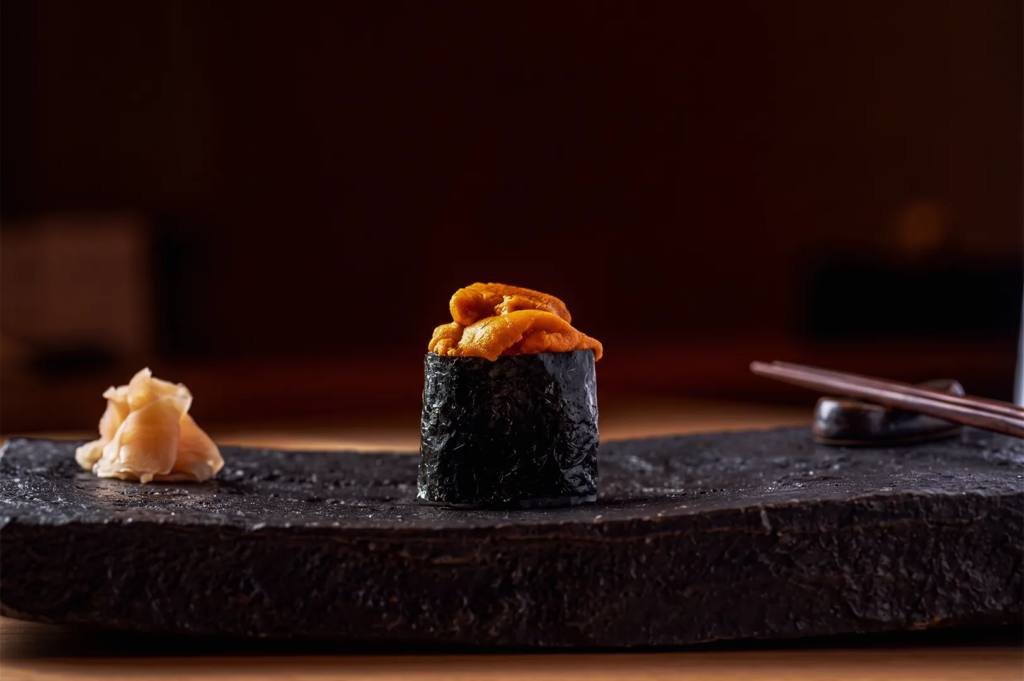
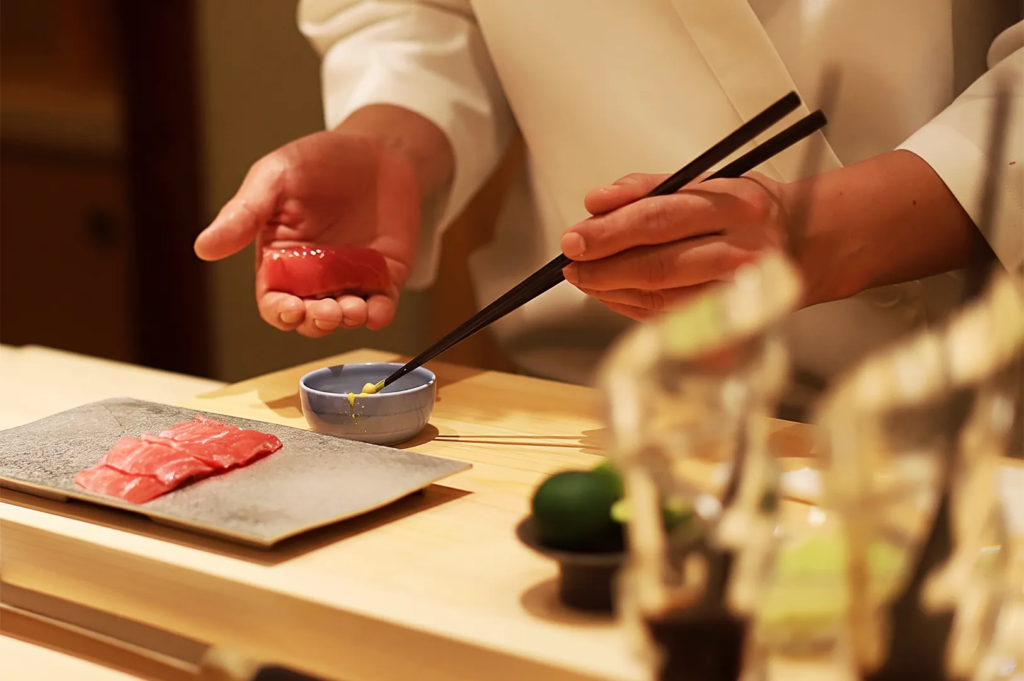
Recent seasons have offered a sense of the style rather than a promise of what you’ll be served. Pine flounder has appeared on the menu. Steamed abalone has been so soft it seems to melt, with none of the chewiness abalone can carry elsewhere. Uni has arrived pale and sweet against crisp seaweed. Sweet shrimp has been finished with caviar. Unagi has come with a crisp base and a flaky center, lifted by a breath of sansho pepper. Otoro has been served on room-temperature shari so that its richness settles rather than overwhelms.
Each dish is a reminder that seasonal ingredients are memorable because of their timing as much as their rarity.
Why the Sushi Rice Matters: The Craft Behind the Shari
Here the review becomes a lesson. The shari blends Hitomebore and Sasanishiki, with a house vinegar seasoning that includes red and white vinegars. It isn’t simply a carrier for the raw fish.
Temperature shifts with each piece. The rice is gently warmed for yellowtail. It’s left at room temperature for fatty fish like tuna, so the fat doesn’t soften too quickly on the tongue. You may not consciously notice these adjustments, but you’ll feel the balance they create. That attention to detail is a large part of why serious omakase restaurants cost what they do.
Chef Sakuta uses separate soy sauce brushes for lean and fatty fish to enhance flavors without overpowering the freshness of the seafood. Fresh wasabi is prepared and served alongside to complement the sushi without masking its delicate taste.
Inside the Counter: An Elegant Space for Intimate Dining
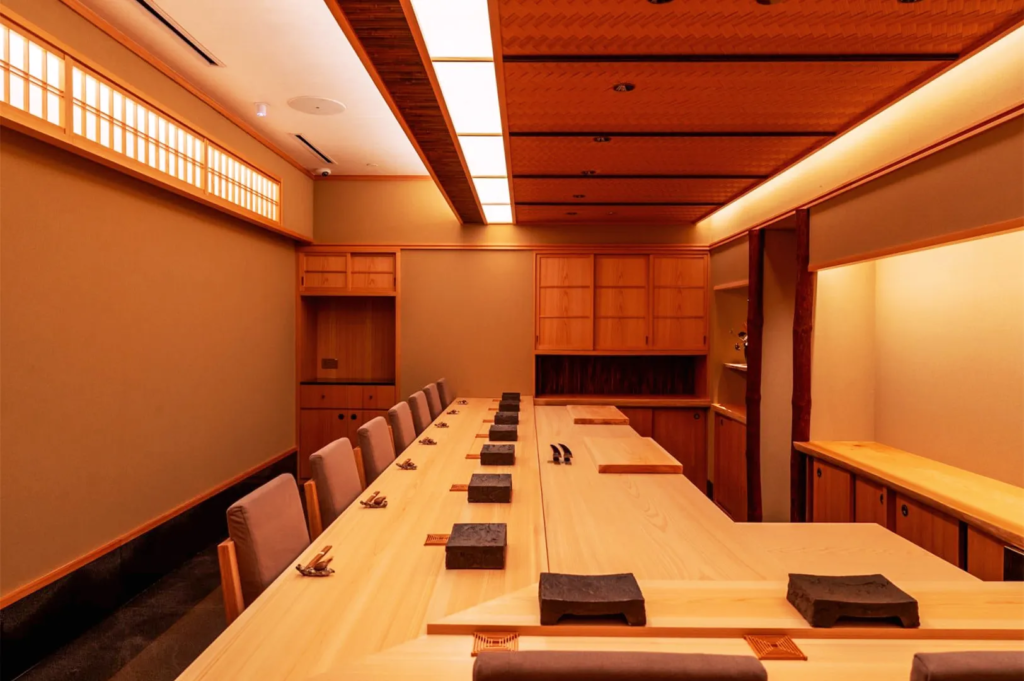
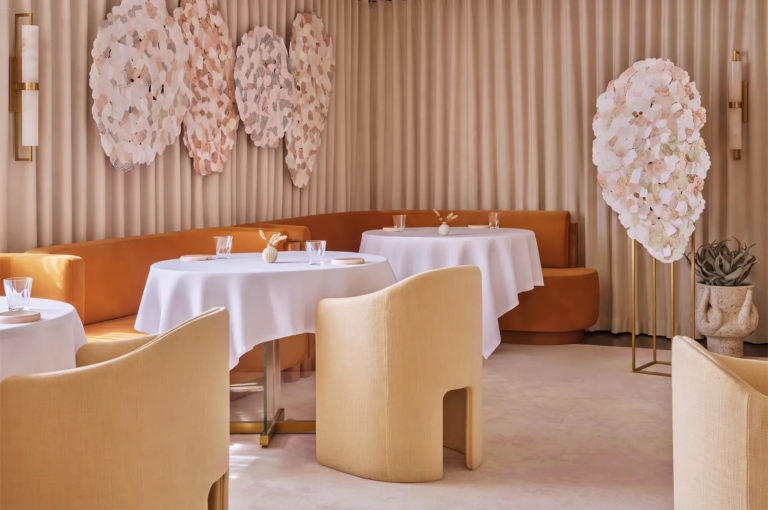
The room draws on sukiya-zukuri, the understated architecture of Japanese tea houses. Sugi cedar, Ajiro bamboo, and washi lanterns soften the light around a Nara-cypress counter made from a 200-year-old tree. The design is luxurious without relying on visual excess. The smallness of the room says enough.
The counter stretches over five meters, offering only ten seats for patrons who appreciate the pinnacle of sushi craftsmanship. There is also a private room for six guests seeking a more secluded experience.
The room is hushed, even serene. Conversation stays low. The loudest sound is often the soft press of rice between fingers.
Service and Chef Sakuta’s Quiet Craft
The service is warm but never hovers. Staff attend to you gracefully, without ceremony. At close range, Chef Yoshio Sakuta works with a reserved concentration that many diners compare to watching an art form.
If you’d like to choose a pour with more confidence, our guide on understanding sake and what to order alongside your sushi is worth reading before you sit down.
Who Will Feel at Home Here
Sushi Sakuta rewards diners who notice nuance, such as the difference a few degrees make to shari. It suits seasoned sushi lovers, couples marking something meaningful, and solo guests who enjoy watching a master at work. First-timers who prefer quiet over showmanship will also find it welcoming.
Guests who prefer casual sushi, theatrical plating, or a quick dinner may find another counter more to their taste.
Before You Visit Sushi Sakuta
- Address: 9 Raffles Boulevard, #01-06/07/08, Millenia Walk, Singapore 039596
- Getting there: Valet parking and a car park make arriving by car easy. On foot, Millenia Walk is a pleasant stroll from the Promenade area.
- Hours: Closed Monday. Lunch is served Tuesday, Wednesday, and Friday to Sunday, 12:30–3pm. Dinner is served Tuesday to Sunday, 7–10:30pm.
- Cancellations: A S$500 per-person fee applies to cancellations made less than 72 hours ahead and to no-shows. Cancel by phone.
- Corkage: Not permitted.
- Reservations: Book ahead, as the counter is small and demand is steady.
The season may decide what arrives at Sushi Sakuta. Chef Sakuta decides how little it needs, crafting each course with precision and deep respect for the ingredients and techniques that define edomae style sushi.
Experience the pinnacle of sushi dining in Singapore’s city’s elegant omakase restaurant, where every night is a celebration of fresh fish, smoky flavors, and the artful balance of lean and fatty fish, all prepared with care by Chef Yoshio Sakuta.