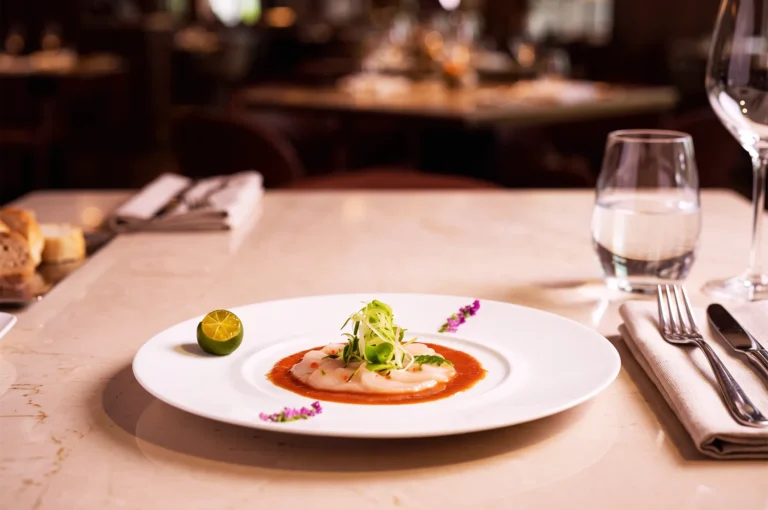
I still remember the first time I ordered a steak I didn’t understand. I was young, a little nervous, and I chose the most expensive thing on the menu because I assumed price meant pleasure. It arrived beautifully cooked, lean and tender, and yet I found myself quietly wishing for something richer. That was the night I learned a lesson I’ve carried ever since: the best steak is not always the most expensive cut, it is the one that matches the experience you want.
Since then, I’ve eaten my way through more steakhouses than I can count, and I’ve come to think of the menu less as a price list and more as a set of choices. It reminds me of the small choices that make any meal linger in the mind, the kind of thoughtful details we return to often when we write about what makes a restaurant worth remembering in our reflections on dining that stays with you long after the plates are cleared.
Let me walk you through it, the way I’d explain it to a friend across the table.
What to Know Before Choosing Your Cut
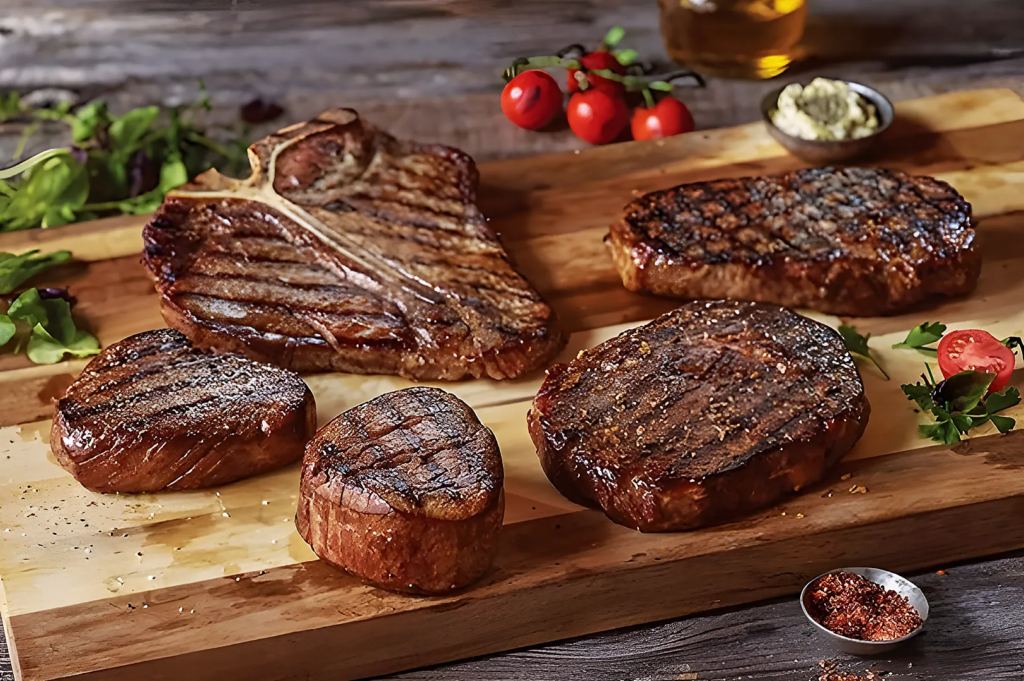
Here’s the truth most menus never tell you. Every steak is shaped by where it sat on the animal. Muscles that worked hard, like the leg or the shoulder, develop deep flavor but firmer texture. Muscles that barely moved, like the tenderloin, stay soft and delicate but taste milder. That single idea explains almost everything about the different types of steak.
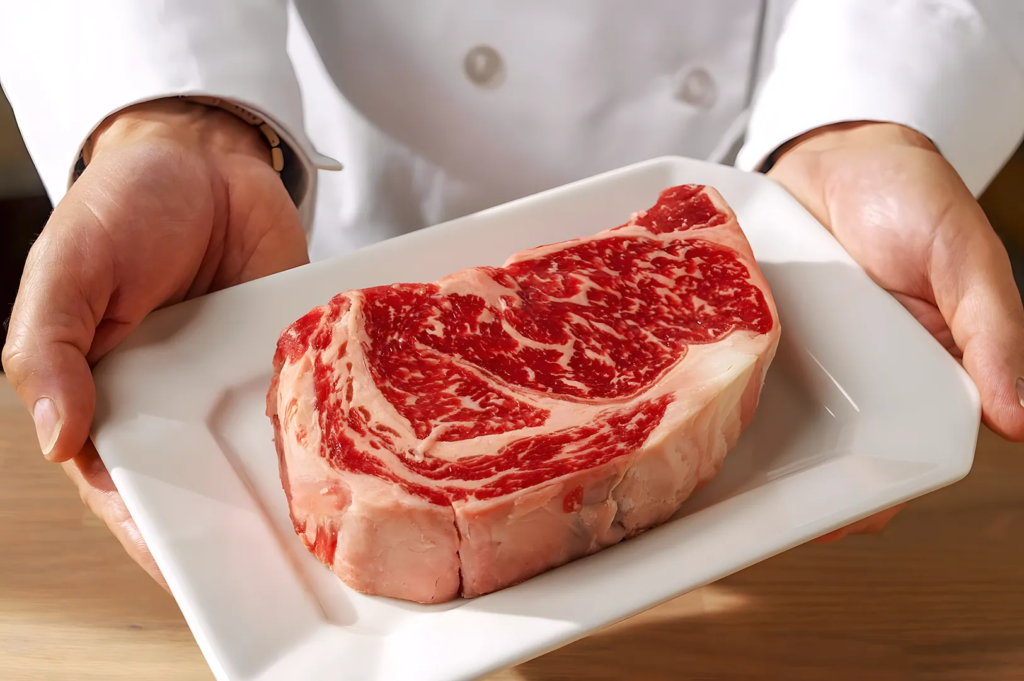
Two words will come up again and again, so let me define them simply. Marbling is the fine web of fat running through the meat. It melts as it cooks, carrying flavor and juiciness. A primal cut is one of the large sections a carcass is first divided into, and the steaks we love are carved from these.
The other thing worth knowing early is this: there is no single “correct” way to enjoy steak. I’ve watched people apologize for ordering their steak a certain way, and honestly, you never need to. The right choice is the one you’ll actually enjoy.
Ribeye: Rich, Buttery, and Full of Character
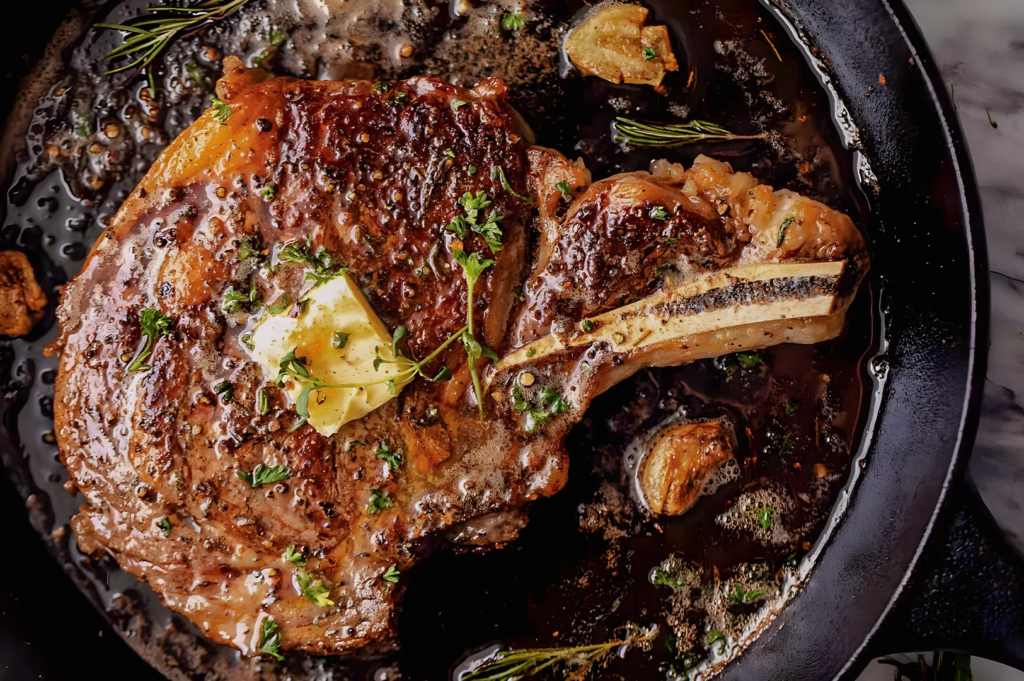
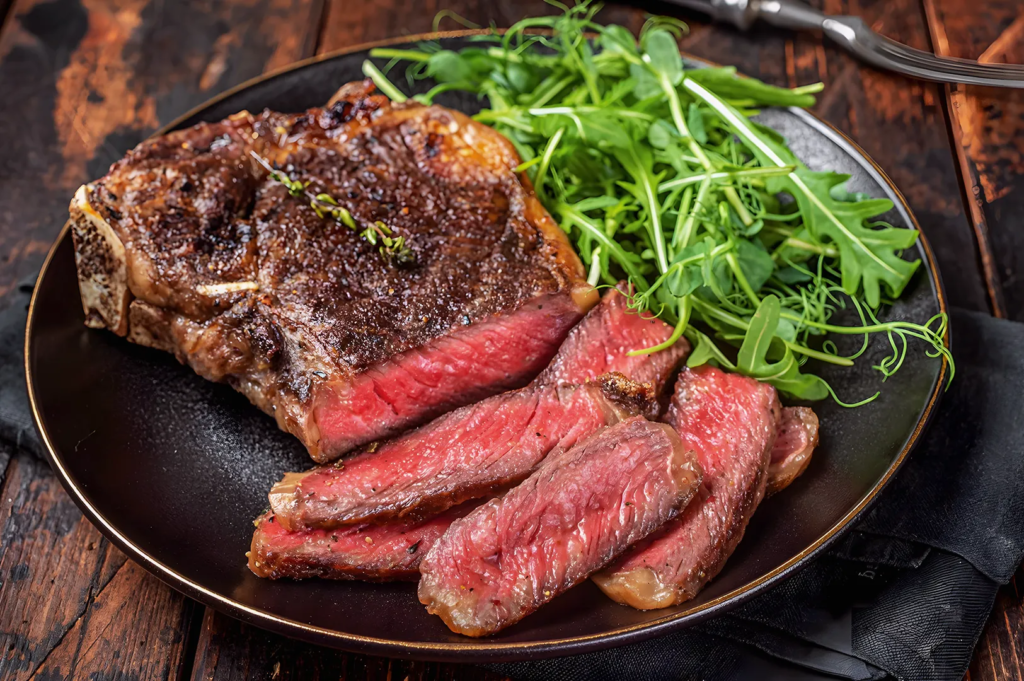
The ribeye is a cut of meat from the rib section, and its location gives it a tender texture and bold, meaty flavor, which is why it’s my go-to when I want flavor above all else. Also known as scotch fillet, it carries generous marbling, which means as it cooks, the fat melts into the meat and gives you that deep, buttery richness; its high fat content also makes it especially well suited to grilling or searing. A boneless steak version is especially easy to portion and cook evenly.
Ideal doneness: medium rare to medium, so the fat has time to soften.
If you enjoy approaching a meal this way, you might like our thoughts on finding the steakhouses and quiet dining rooms worth slowing down for when the evening truly matters, gathered in a companion guide to memorable steak dinners built around occasion rather than price.
Filet Mignon and Tenderloin: The Softest Bite on the Menu
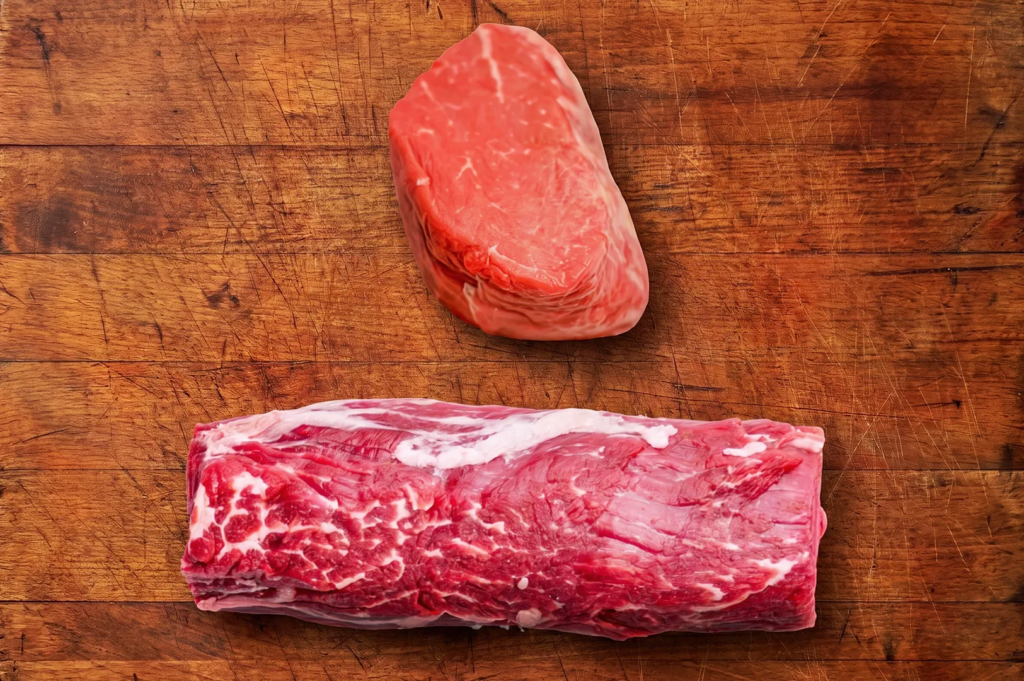
The tenderloin steak sits in the short loin, a muscle that does almost no work, which is exactly why it’s so soft. The fillet steak or tenderloin or filet mignon is cut from its narrow end. This is the cut that gave me that first quiet lesson years ago.
Its mild flavor lets sauces and seasonings take center stage. It’s a premium, versatile steak, but because it’s delicate, pan searing or grilling usually suits it best.
Ideal doneness: rare to medium rare. Because it’s so lean, overcooking dries it out fast.
New York Strip Steak: The Balanced Classic
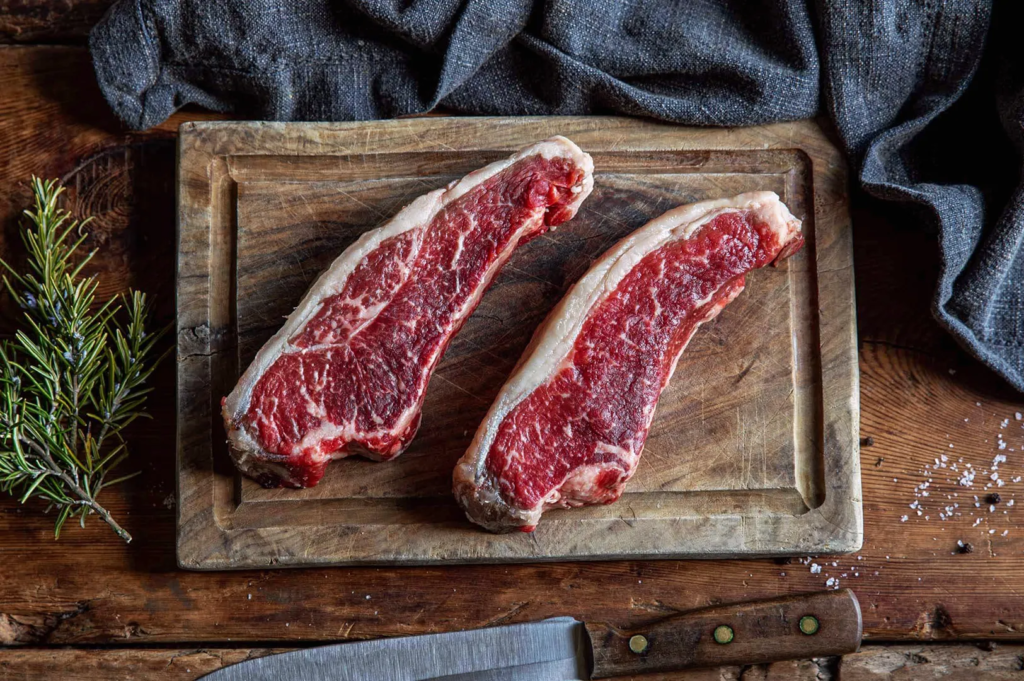
The New York strip steak, sometimes called the strip loin or kansas city strip, is my pick when I can’t decide between tenderness and flavor. It comes from the short loin, next to the tenderloin or filet mignon, and that same area also gives you fillet steak or tenderloin steak. Filet mignon is the most tender cut of steak. It offers moderate marbling and a firmer, satisfying chew without being tough. Its flavor is mild but still beefy, which lets sauces or seasoning take center stage.
Ideal doneness: medium rare doneness; use a meat thermometer if you’re grilling or broiling, though pan searing or a reverse sear often suits this premium but not especially versatile steak.
Porterhouse Steak: Two Steaks in One
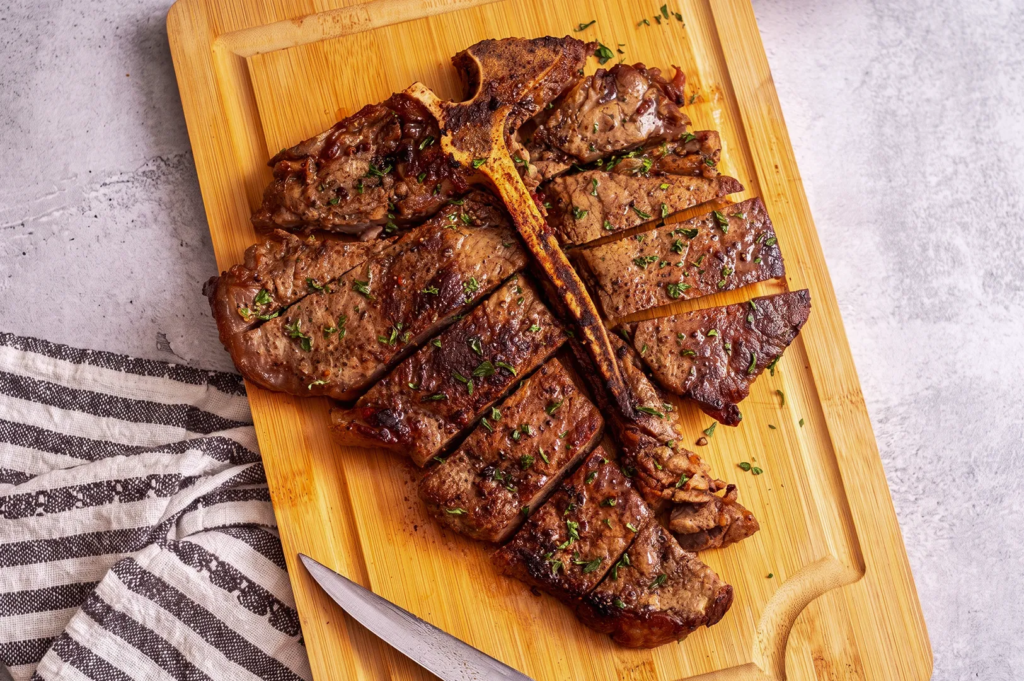
The porterhouse steak is a showstopper because it’s genuinely two cuts joined by a T-shaped bone; in some markets, the New York strip is also called a Kansas City strip. On one side, the strip. On the other, a generous piece of tenderloin. Its cousin, the t bone steak is a beef cut with the same T-shaped bone, combining the tenderloin and strip steak, but with a smaller tenderloin portion and a bold, juicy bite when cooked with care.
Ideal doneness: medium rare doneness, though the two sides cook slightly differently, which is part of the fun. A meat thermometer helps hit that target consistently, especially with a reverse sear.
Sirloin Steak: The Reliable Everyday Favorite
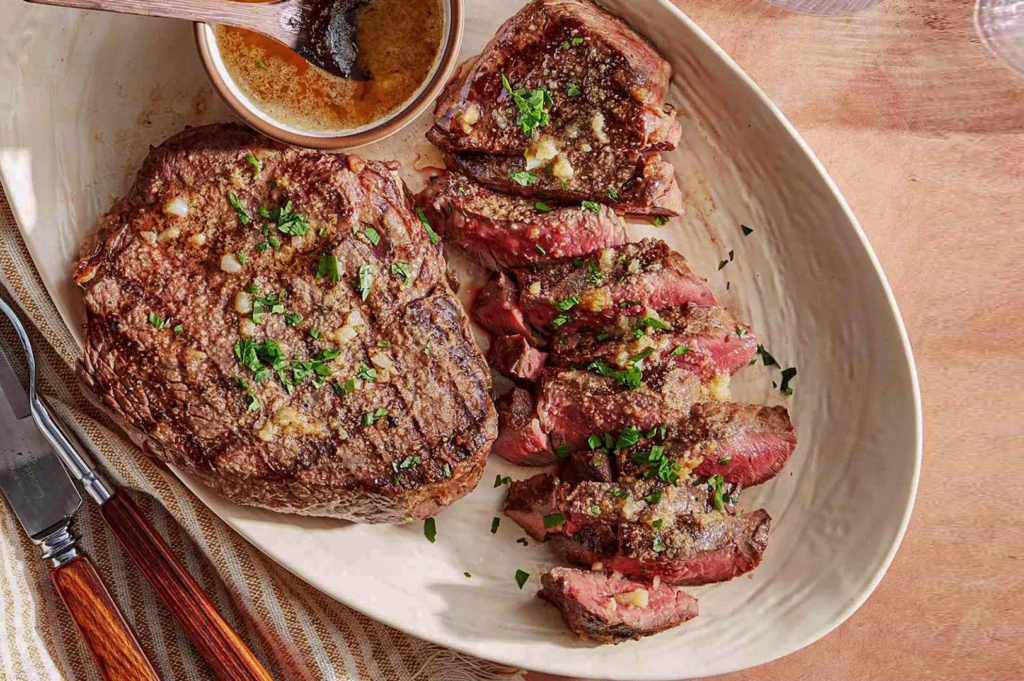
The sirloin steak sits toward the rear of the animal. It’s leaner than a ribeye, with a beef-forward flavor and a friendlier price. This is the steak I cook most often at home on a weeknight. The bottom sirloin comes from farther back than the top sirloin and stays lean, which makes it a versatile steak for grilling, searing, or quick stir-fries.
Ideal doneness: medium rare to medium. If you’re cooking a T-bone steak, it’s best started in a frying pan before finishing as needed.
Tomahawk Steak: The Grand Centerpiece
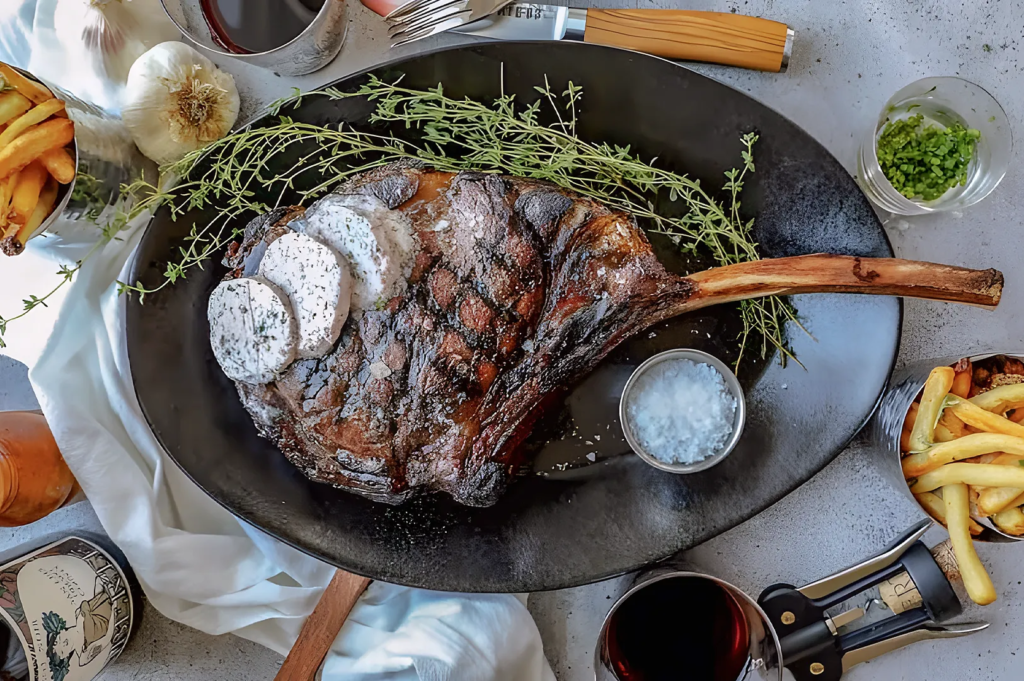
The tomahawk steak is essentially a ribeye left attached to the entire rib bone, which is then frenched for that long-handle look. It looks dramatic, and that theater is a real part of the appeal. Underneath the spectacle, you get all the rich flavor of a ribeye.
Ideal doneness: medium rare.
Wagyu: A Different Kind of Luxury
Wagyu is its own experience. Bred for extraordinary marbling, it’s less a steak and more a study in richness. Japanese A5 Wagyu is famously intense, so buttery it almost dissolves. Australian Wagyu tends to be a touch leaner and easier to eat in larger portions.
Ideal doneness: lightly seared, kept rarer, and served in small portions.
The Underrated Cuts Worth Knowing
Some of the most rewarding steaks live in the shadows of the famous names. These are the cuts I order when I want flavor and value, and they’re where a good kitchen really shows its skill.
- Flank steak comes from the belly, lean and boldly beefy, best cooked quickly over high heat and sliced thin against the grain.
- Skirt steak sits nearby, prized for its loose texture that soaks up marinades beautifully. It’s a favorite for fajitas for good reason.
- Flat iron steak comes from the shoulder and surprises people with its tenderness and rich flavor at a gentle price.
- Hanger steak, once called the “butcher’s cut” because butchers kept it for themselves, delivers deep flavor and a satisfying chew.
- Rump steak offers firm, honest, beefy character that rewards proper resting.
- Round steak, cut from the lean rear leg, is the most economical of the group and shines with slower, gentler cooking.
For each of these, I lean toward medium rare and always slice against the grain. Get that right, and these humble cuts can outshine their pricier neighbors.
The Details That Define a Great Steak
Beyond the cut itself, a few quiet details separate a good steak from a memorable one. If you’ve ever wondered why a restaurant steak tastes better than yours at home, this is usually why.
Marbling does much of the heavy lifting, but it isn’t the whole story. Ageing matters too. Dry ageing concentrates flavor and adds deep, almost nutty notes. Wet ageing keeps things tender with a cleaner beef taste. Neither is better, only different.
Then there’s cooking method. Different cuts respond best to different cooking methods. A screaming-hot cast iron pan or grill builds that dark, savory crust we all chase. Reverse searing, cooking low first then finishing hot, gives you even color from edge to edge. A meat thermometer also helps you hit the right doneness without overshooting it.
Common Mistakes to Avoid
I’ve made every one of these, so I share them without judgment.
- Choosing by price alone. The costliest cut may not suit your taste at all.
- Ignoring the cut entirely. A Wagyu ribeye and a Wagyu filet are worlds apart. Know what you’re ordering.
- Cutting into it too soon. Skipping the rest undoes all the careful cooking.
- Drowning it in sauce before tasting. Try the meat first. A good steak rarely needs rescuing.
- Overcooking lean cuts. Filet and flank turn dry quickly, so keep a close eye on them.
- Then there’s cooking methods. Lean cuts are often best around medium rare doneness, and a meat thermometer is the simplest way to judge doneness accurately at home.
A Final Thought Before You Order
Knowing your steak cut doesn’t make dining more complicated. If anything, it makes every bite more meaningful. You stop guessing and start choosing, matching the cut to the mood, the occasion, and the company around you.
That’s really the heart of it for me. A steak isn’t just rare or well done. It’s texture, richness, presentation, and the unhurried pleasure of a table where no one is rushing you along.
So the next time a steak menu lands in your hands, take a breath. Think about what you’re in the mood for. Then order the cut that fits, and enjoy every unhurried bite.