There is a particular quiet that falls over a table when a steak arrives. Not the clatter of a busy kitchen, not the rush of a plate set down and forgotten. Something slower. The first cut, the way the knife meets the meat, the small pause before the first bite. A good steak asks you to be present.
Most of us have eaten steak in a hurry. Grabbed it between meetings, cooked it too fast at home, chewed through it while scrolling. But steak was never meant for speed. It carries too much in it: the animal, the field, the fire, the hands that knew when to let it rest. To eat it well is to slow down enough to notice all of that.
Reading the Cut
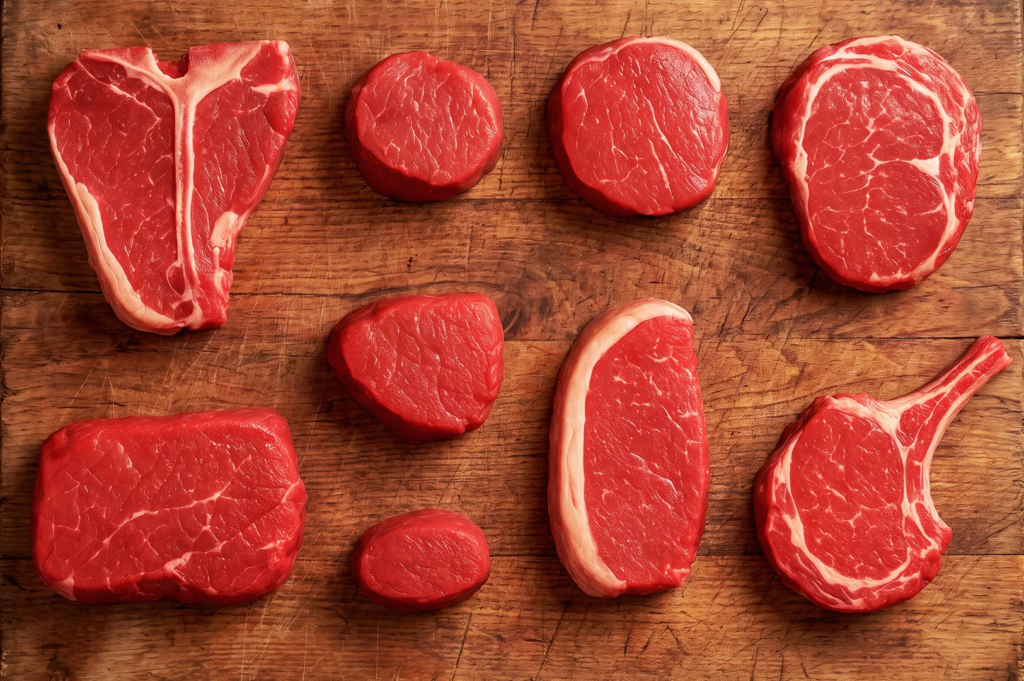
Before the cooking, before the fire, there is the choice of cut. And each one tells a different story.
A ribeye carries fat through its center, marbled lines that melt into richness as it cooks. It is generous, forgiving, deeply flavored. A tenderloin is the opposite: lean, soft, almost delicate, prized for its texture more than its taste. A sirloin sits somewhere between the two, honest and balanced, the cut many of us grew up on without knowing its name.
None of these is better than the others. They are simply different, shaped by where they sit on the animal and how much work that muscle did in life. If you want to understand why a cut behaves the way it does, this butcher’s guide from an agricultural extension program explains the anatomy behind the plate with real care.
Knowing the cut changes how you eat it. You stop expecting a tenderloin to taste like a ribeye. You start meeting each one on its own terms.
The Matter of Doneness
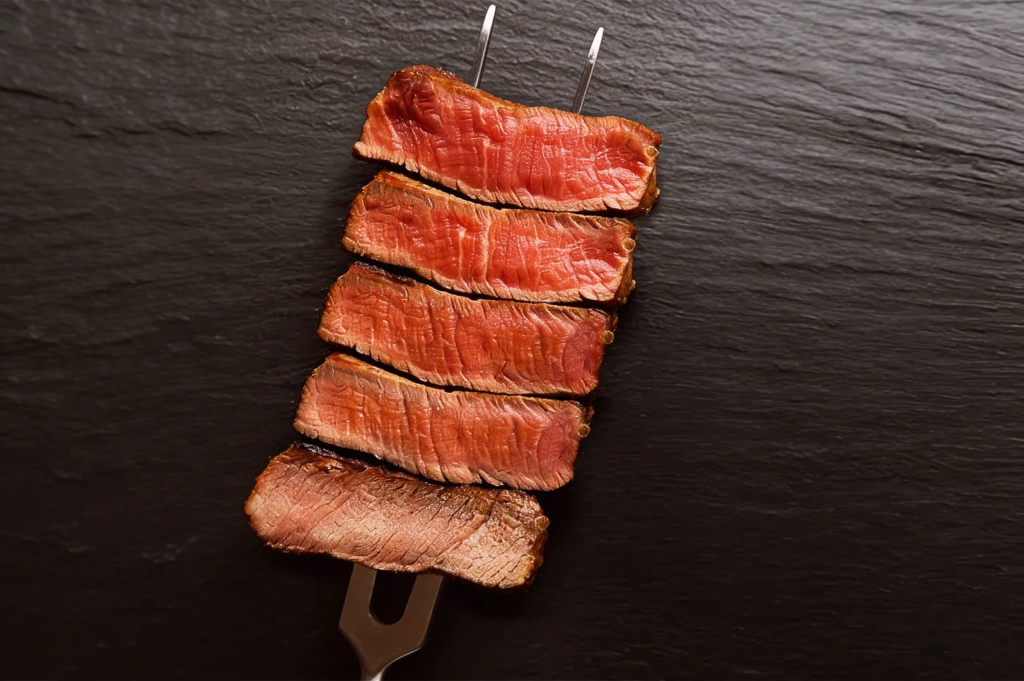
Ask ten people how they like their steak and you will get ten answers, each held with quiet conviction. Doneness is personal, and that is the point.
A steak cooked rare stays soft and cool at the center, deeply red, almost raw. Medium rare, the choice of many who cook seriously, holds warmth and give, the fat rendered just enough to carry flavor. Push further toward well done and the meat firms, the juices retreat, the character shifts entirely.
There is no shame in any of these. But there is a difference between choosing a doneness and losing a steak to overcooking. Temperature matters, both for taste and for safety, and the USDA’s guidance on cooking meat is a grounded place to understand where those lines fall. A good kitchen respects your preference without judgment, and cooks to it with precision rather than guesswork.
The Rest You Cannot Skip
Here is the part most home cooks rush, and the part that separates a decent steak from a memorable one. The steak must rest.
Straight off the heat, the juices inside a steak are pulled toward the center, agitated by the fire. Cut into it too soon and they spill out across the plate, leaving the meat dry and the board swimming. Give it a few quiet minutes and those juices settle back through the muscle, redistributing, softening. The steak becomes whole again.
It is a small act of patience with an outsized reward. And it mirrors something we return to often in our writing on why the best meals are the ones we linger over. The rest is not wasted time. It is the meal finishing its own work.
Steak at a Well-Run Table
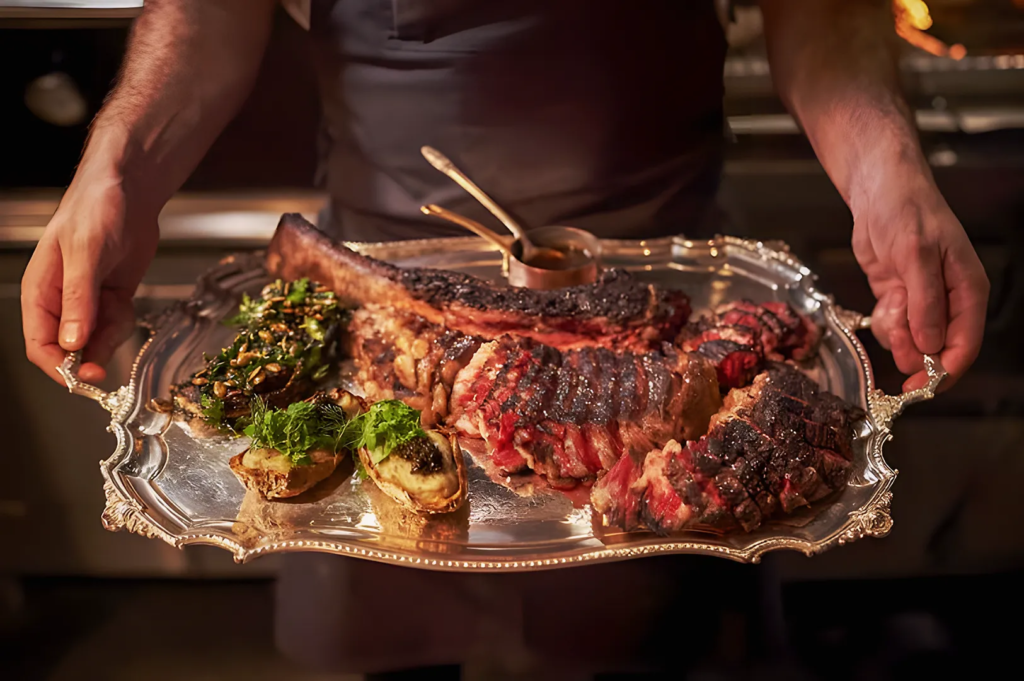
There is a version of steak that only happens in a kitchen that knows what it is doing.
The cut is chosen with intent. The fire is hot enough to build a dark, savory crust without scorching. The steak is rested before it reaches you, not rushed to the pass for the sake of speed. When it arrives, it is already whole, already waiting for the first cut.
A good server will ask how you like it and mean it. The knife will move through the meat without a fight. There will be no need for heavy sauce to cover a mistake, because there is no mistake to cover. The steak speaks for itself.
That is the experience worth seeking out. Not the most expensive room, not the loudest name, but the table where someone cared enough to get the small things right. We have written before about how a restaurant earns a place in memory, and steak, done properly, is one of the surest ways it does.
So the next time a steak lands in front of you, wait a moment. Let it rest. Read the cut. Notice the first bite. Some meals reward the ones who slow down, and this is one of them.