The first time I saw a small red star next to a restaurant’s name, I did what most people do. I assumed it meant white tablecloths, hushed rooms, and a bill that would make me wince. It took me years, and more than a few meals, to understand I had it backwards.
A Michelin star is not a symbol of luxury. It is a distinction awarded by the Michelin Guide to recognise the quality of a restaurant’s cooking, with one, two, and three stars marking very good, excellent, and exceptional cuisine. If you want to see how varied top-tier dining can feel, you can read more here.
In this piece, I want to unpack what a Michelin star actually means, how the Michelin Guide works, what inspectors look for, and why the fanciest room in town doesn’t automatically earn one. If you’ve ever wondered whether that red star means expensive, formal, or simply better food, this is for you.
What Is the Michelin Guide, Really?
Here’s a fact that still delights me. The Michelin Guide began as a marketing tool for a tyre company. Back in 1900, Andre and Edouard Michelin wanted people to drive more, wear out their tyres, and buy new ones, so they published a free booklet to encourage motoring and boost tire sales by telling motorists where to find fuel, mechanics, and a decent meal on the road.
It soon expanded beyond France into Europe and Northern Africa, and early editions also pointed travellers to local attractions alongside practical travel help and restaurant reviews. Somewhere along the way, the restaurant recommendations became the point. The guide grew into one of the most influential voices in food, and today it evaluates restaurants across the world. The Michelin Star rating system began in 1926 and has helped shape dining recognition for over a century.
It’s worth knowing the guide is not only about stars. In Singapore, the 2026 edition is a milestone, marking ten years of the guide in the city. That selection includes 307 establishments in total, and only a small slice of them carry stars. Most don’t. After the guide moved to digital publication in 2021, the Michelin Guide website became its main online home.
So what? The moment you realise the guide is a broad map rather than a luxury list, it becomes far more useful.
What Is a Michelin Star and What Do the Levels Mean?
Let’s answer the question directly, because “what is a Michelin star” is the thing most people actually want to know.
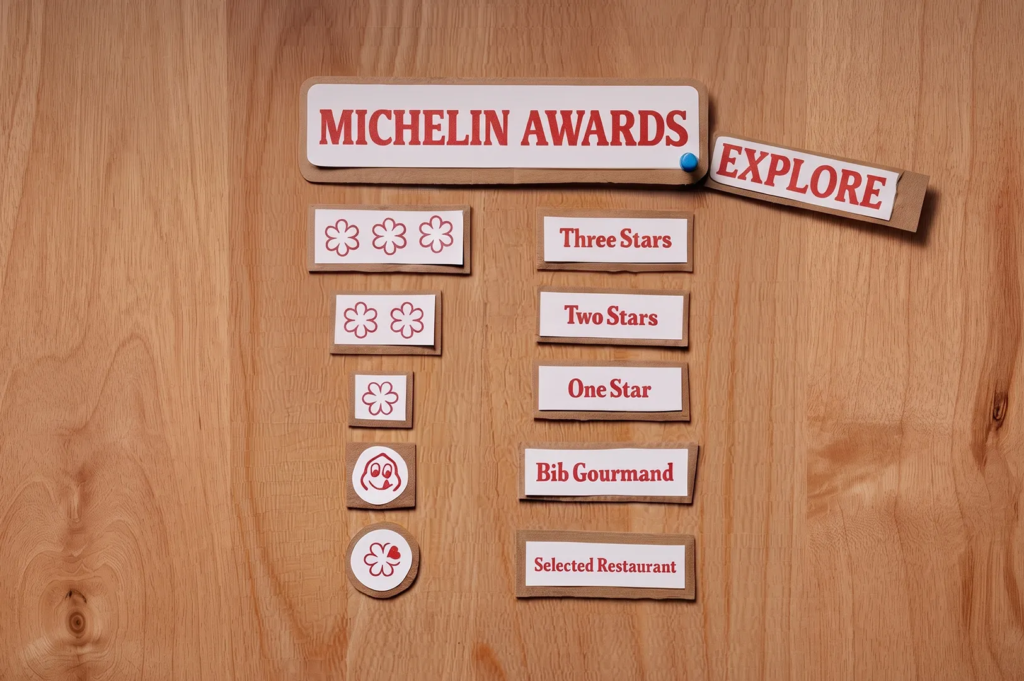
A Michelin Star recognises the quality of a restaurant’s cooking. In the guide, the Michelin star rating is a star rating system for judging restaurants by cooking quality. The guide uses three levels, and the Michelin star meaning shifts as you climb:
- One Michelin star ⭐ — a one star rating means a very good restaurant worth visiting for high quality food.
- Two Michelin stars ⭐⭐ — two stars signal exceptional food; a two Michelin star restaurant is one with excellent cooking worth a detour.
- Three Michelin stars ⭐⭐⭐ — a three star rating marks a three star restaurant among the best restaurants in the culinary world.
Michelin stars are awarded to restaurants through a rating system, not as a score for luxury or service.
Notice the language. “Worth a detour.” “Worth a special journey.” These phrases date back to the guide’s motoring roots, and they’re all about the food, not the furniture.
One thing I wish someone had told me sooner: three stars does not mean “three times better” than one. The stars mark different levels of distinction, not a score out of three. A one Michelin star restaurant can be extraordinary in its own right.
What Michelin Inspectors Actually Look For

So how does a kitchen earn that recognition? Awarding Michelin stars comes down to five criteria that Michelin inspectors apply to every plate; Michelin states these standards within an extensive system focused on the food rather than the decor. I find them genuinely helpful as a diner, even when I’m nowhere near a starred restaurant.
1. Quality of Ingredients
Inspectors aren’t simply asking whether an ingredient is expensive. They’re asking whether it’s the right ingredient, well-sourced and handled with care. A humble vegetable, treated properly, can carry a dish.
2. Mastery of Technique
This is the skill behind the food. Precise cooking, balanced sauces, clean knife work, thoughtful fermentation, and other cooking techniques all matter. Good technique serves the dish rather than showing off.
3. Harmony of Flavours
A clever plate still fails if the flavours fight. The simplest test I use: does every element on the plate have a reason to be there?
4. Personality of the Cuisine
Here’s my favourite criterion. The guide looks for the chef’s personality in the food, expressed through expertly crafted dishes rather than novelty for its own sake. It’s why two French restaurants can feel worlds apart, one classical, one reinventing tradition through an Asian lens.
5. Consistency
A single brilliant course isn’t enough. The standard has to hold from the first bite to the last, and across repeat visits. Consistency is quietly the hardest of the five.
Common Misconceptions About Michelin Stars
Let me clear up the myths I believed for far too long.
“A star means expensive.” Not necessarily. Singapore is the perfect example, because its selection ranges from lavish tasting menu rooms to hawker stalls. A Michelin distinction tells you nothing reliable about price, and Bib Gourmand stands apart from selected restaurants as a non-star recognition for good cooking that, since its introduction in 1955, also highlights moderate prices and quality.
“A star means luxury and formal service.” No. The star recognises the cooking, not the tablecloths, the wine cellar, or how many staff hover near your table. A beautiful dining room earns nothing on its own.
“Michelin equals fine dining only.” Also no. Some of the most celebrated Michelin restaurant Singapore entries are casual noodle stalls. Culinary excellence doesn’t require a dress code.
Bib Gourmand and Michelin Green Star Explained
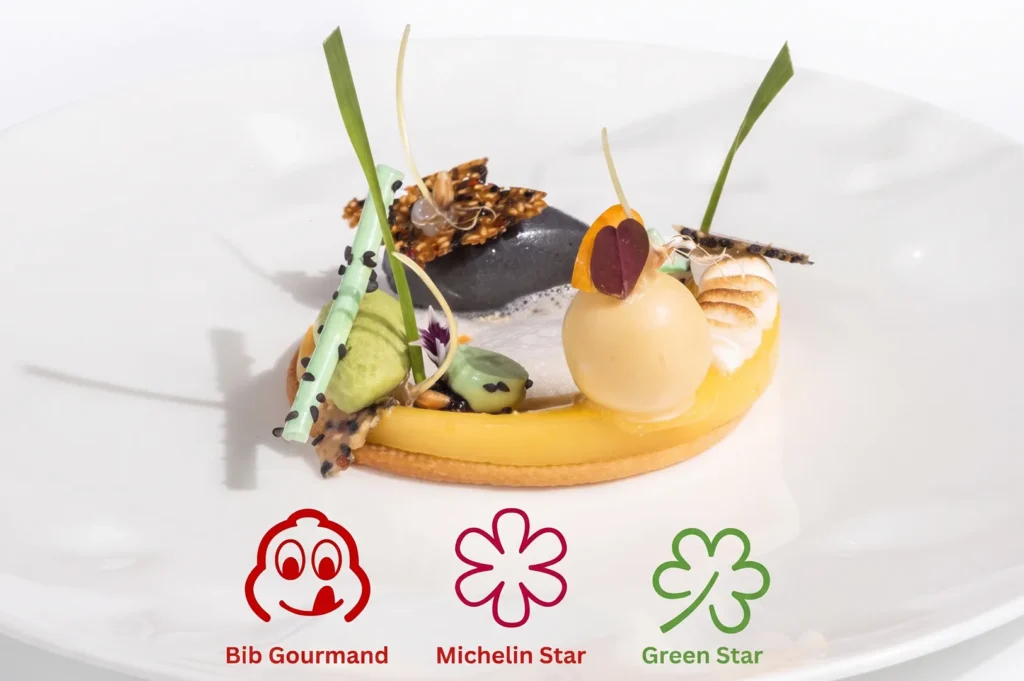
Two categories cause endless confusion, so let’s separate them clearly.
Bib Gourmand recognises good-quality cooking at good value. It is not a star. In Singapore’s 2026 selection, there are 97 Bib Gourmand establishments, many of them serving noodles, biryani, seafood, and beloved local dishes. If you think Michelin only means special occasions, this list is your friendly correction.
Michelin Green Star is different again. It recognises restaurants with notable commitments to sustainability, things like regional sourcing, fermentation, and waste reduction. It sits entirely apart from the one-to-three-star system. A restaurant can hold a star, a Green Star, both, or neither.
So what? Two of the most useful entries in the whole guide aren’t stars at all. Don’t overlook them.
How Michelin Inspectors Work Anonymously
The system rests on anonymity, and I love how simple the logic is. Michelin has 80 inspectors covering different geographical areas.
Inspectors dine like ordinary customers. They book under assumed names, order normally, and pay their own bills. They evaluate independently, and they can return for lunch and dinner across different seasons. The guide says its inspectors typically bring years of experience from the hospitality industry, including restaurant work and hotel sectors, to the job.
Stars Belong to Restaurants, Not Chefs
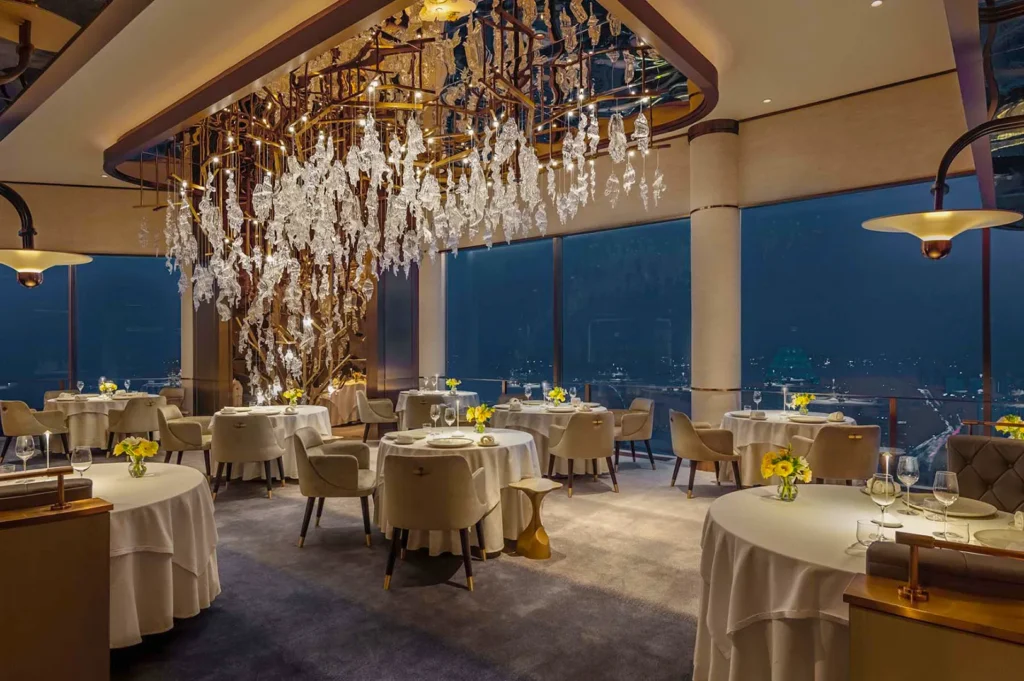
Here’s a distinction that trips up even seasoned diners. A star is awarded to the restaurant, not permanently to the chef. Chefs help establishments earn Michelin stars, but the recognition belongs to the business and affects both chefs and restaurant owners. When a celebrated chef moves on, the star doesn’t travel in their suitcase.
Just as importantly, stars are reassessed. Every year, restaurants can retain, gain, or lose recognition. When a restaurant receives or loses a star, customer bookings and business can change dramatically. A Michelin star is not a lifetime achievement award. It reflects the restaurant’s current standard, which is precisely why the guide stays meaningful—and why it matters so much to a culinary career or plans to open an own restaurant.
Singapore’s 2026 Michelin Recognition at a Glance
| Recognition | Number in Singapore 2026 |
|---|---|
| ⭐⭐⭐ Three Stars | 3 |
| ⭐⭐ Two Michelin stars | 9 |
| ⭐ One Star | 33 |
| Bib Gourmand | 97 |
| MICHELIN Selected | 165 |
| Total | 307 |
Look at that spread. The starred restaurants are a tiny fraction. The guide is far bigger, and far more interesting, than its most famous symbol.
How to Use the Michelin Guide as a Starting Point
After all these years, here’s how I actually use the guide. Not as a ranking to obey, but as an invitation to pay attention. For current listings and restaurant ratings, the Michelin Guide website is the easiest place to check cities like New York City, San Francisco, and Las Vegas, and the guide now stretches well beyond Asia, including South America. As of 2024, only 55 restaurants in New York City hold one Michelin star, which shows how selective the guide remains.
That kind of thinking applies well beyond restaurants, too. The same attention to sourcing and technique is exactly what separates a good cut of meat from a forgettable one, as I’ve explored in this guide to the best cuts and types of steak worth knowing before you order.
Frequently Asked Questions
What’s the difference between a star and a Bib Gourmand?A star recognises cooking quality at the highest levels. A Bib Gourmand recognises good cooking at good value. They’re separate honours.
Do Michelin stars last forever?No. Restaurants are reassessed regularly, with inspectors revisiting before awarding stars again or changing the rating, and can gain or lose stars. A star reflects the current standard.
The Real Point of the Red Star
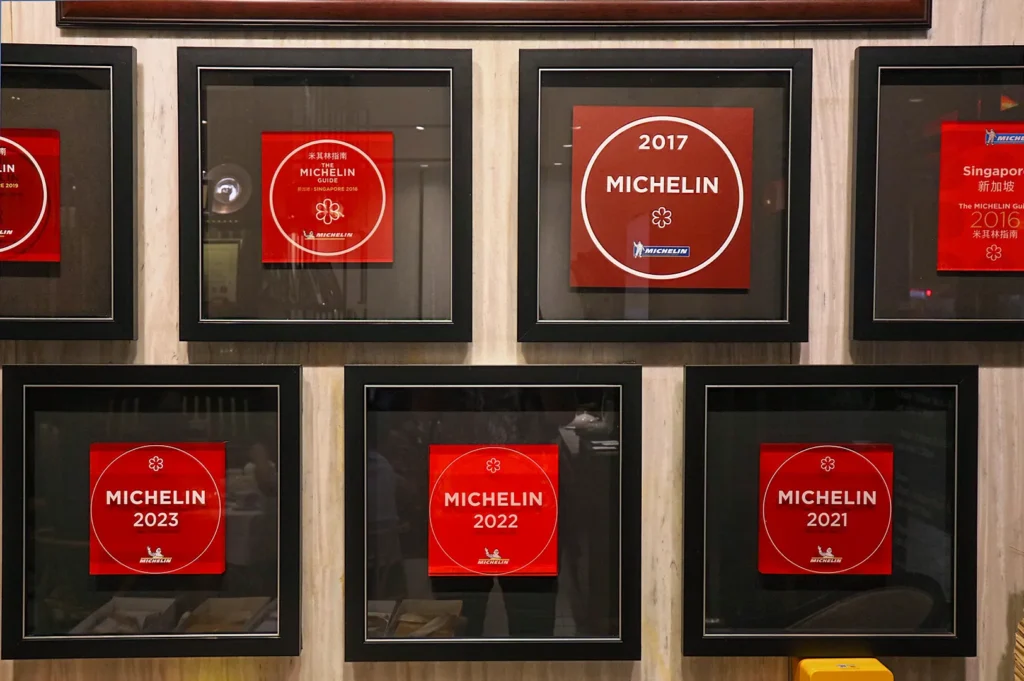
So here’s where I’ve landed. A Michelin star can tell you a restaurant has achieved something remarkable in the kitchen, a huge honor in the culinary world. It cannot tell you how your evening will feel, or which dish will stay with you the next morning. That part is yours.
That, more than any symbol, is the whole point of eating well.