The fish is placed in front of you.
It looks simple.
A small piece of seafood resting over rice, perhaps brushed with soy sauce or finished with a little salt.
You pick it up.
Eat it.
And within seconds, it is gone.
What is easy to overlook is everything that happened before those few seconds.
A Meal That Begins Long Before Dinner
By the time guests sit at an omakase counter, much of the important work has already taken place.
Ingredients have been selected.
Fish has been inspected and prepared.
Rice has been cooked and seasoned.
Knives have been sharpened.
The counter has been cleaned.
Nothing about this preparation is particularly dramatic.
Yet each decision shapes what eventually reaches the guest.
A piece of sushi may take only moments to assemble, but its preparation begins much earlier.
That contrast is one of the things I find most interesting about Japanese dining.
So much time is spent preparing something that disappears almost immediately.
The Calendar Behind the Fish
An omakase menu is rarely intended to remain exactly the same throughout the year.
Different ingredients become available as seasons change.
Some fish are appreciated for their fat content during colder months.
Others are associated with particular periods of the Japanese calendar.
The Japanese concept of shun refers to ingredients enjoyed at their seasonal peak.
Understanding Japanese food seasonality offers another way of looking at the relationship between food and time.
A chef is not simply choosing what tastes good.
They are also considering what belongs to that particular moment.
This is part of what makes returning to the same sushi counter interesting.
The room may look familiar.
The chef may stand in the same place.
The wooden counter may have barely changed.
But the ingredients tell a different story.
Why the Rice Deserves More Attention
When people discuss sushi, the conversation often begins with the fish.
Its origin.
Its texture.
Its freshness.
Its price.
But the rice is just as important to the experience.
At a traditional sushi counter, the rice is not simply a base for the seafood.
Its temperature, seasoning and texture influence the balance of every piece.
Watch closely and you may notice how carefully the chef handles it.
The rice is gathered.
Shaped.
Turned between the fingers.
Then paired with the fish.
The movement is quick, but it is not careless.
The chef must create a piece that holds together long enough to be served while remaining delicate when eaten.
It is a small technical challenge repeated throughout the meal.
The Beauty of Eating Something Temporary
At the best omakase experiences in Singapore, the counter creates an unusual relationship between preparation and consumption.
You watch the chef make something.
Then you eat it almost immediately.
There is very little distance between the work and its disappearance.
Unlike a painting or a photograph, the finished piece is not intended to remain.
Its purpose is to be experienced at that particular moment.
The temperature will change.
The rice will settle.
The texture will become different if left untouched.
So the chef places it down.
And you eat.
There is something quietly beautiful about that exchange.
What Remains After the Last Piece
Eventually, the meal approaches its end.
The movements behind the counter begin to slow.
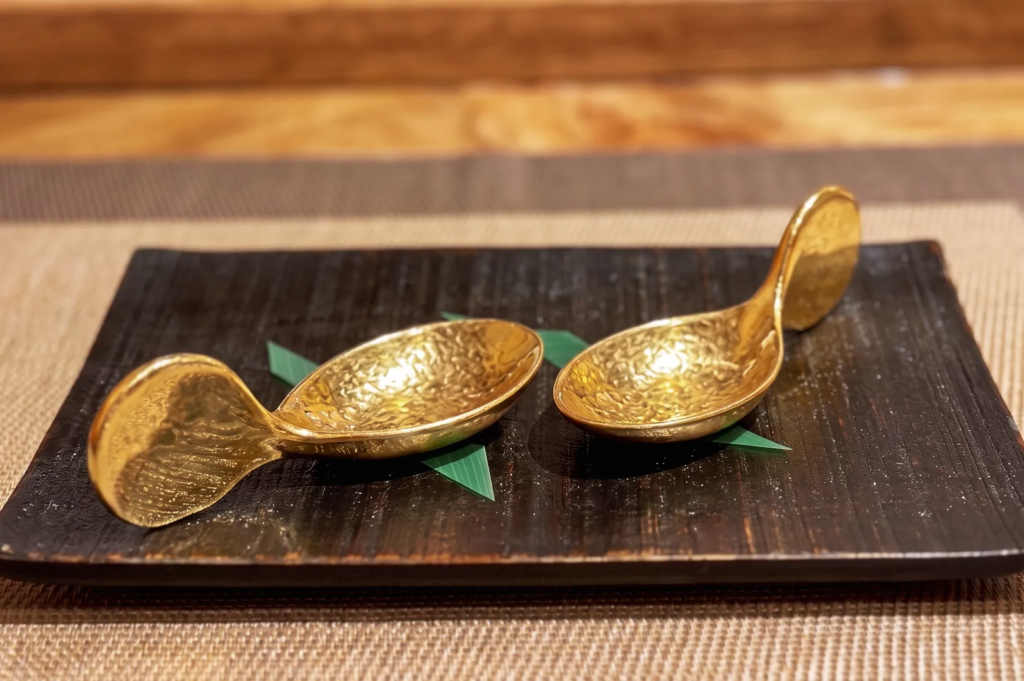
A final dish arrives.
Tea is poured.
The chef cleans the working surface.
The counter gradually returns to the condition it was in before dinner.
It is difficult to remember every piece of sushi in the order it arrived.
Some flavours remain clearer than others.
But what often stays with me is the rhythm.
The repeated movement of the chef's hands.
The sound of a knife against the board.
The brief pause before the next piece.
The way the meal seemed to move forward without anyone needing to hurry.
Perhaps that is what people sometimes miss about omakase.
The experience is not only about what the chef serves.
It is also about everything that happens between one piece and the next.
And when the final piece is gone, those small moments are sometimes what remain.